
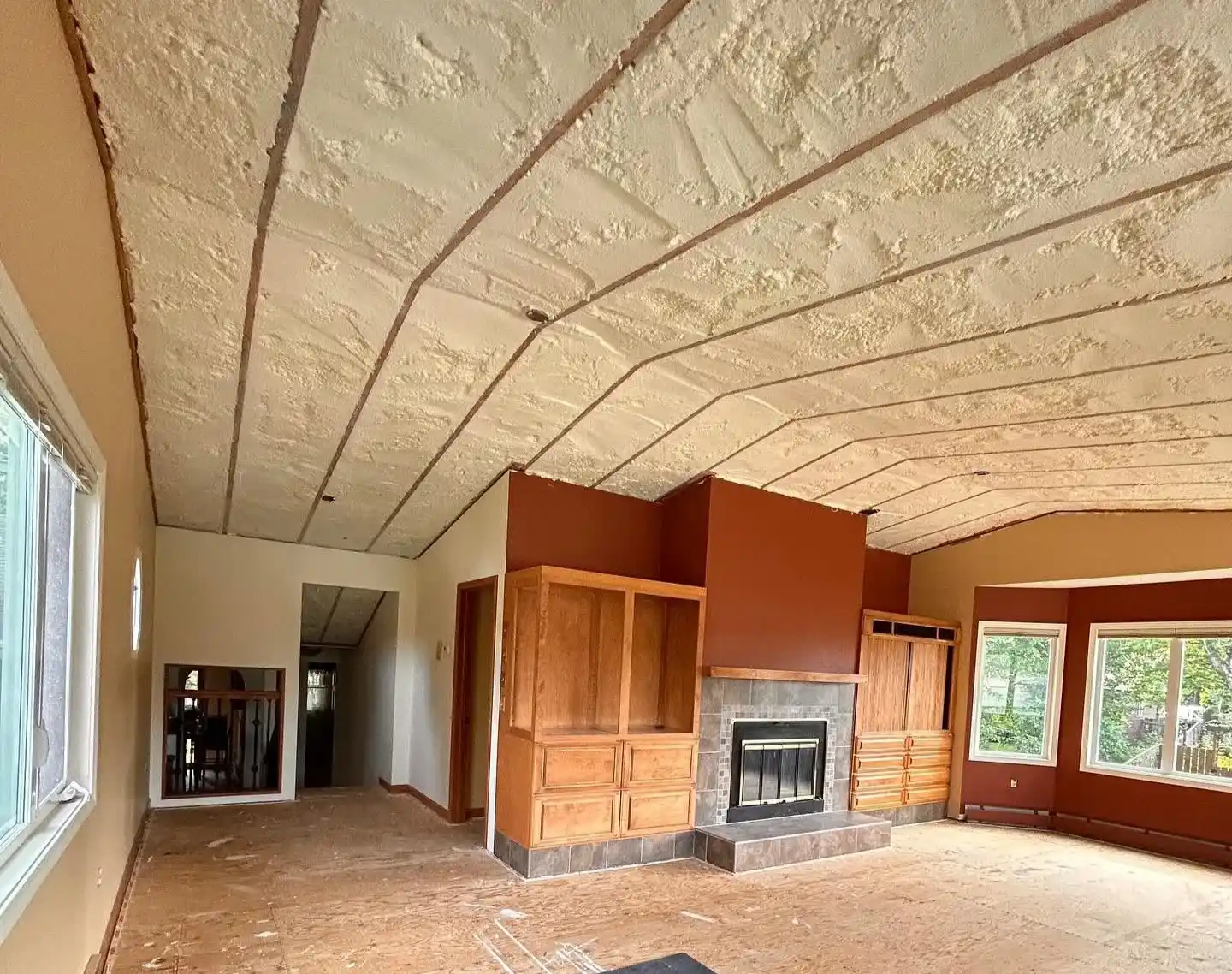
Residential spray foam insulation is a practical choice for modern homes because it serves two functions simultaneously: it acts as both a thermal insulator and a high-performance air barrier. Unlike traditional batt insulation, which often allows conditioned air to leak through gaps, spray foam expands to fill every crack, crevice, and void, creating a continuous seal. This dual-action approach is why it is widely recognized by the U.S. Department of Energy as an effective method for reducing energy waste and improving home comfort.
Spray foam is not just a filler; it is a chemical reaction. When the liquid components are mixed at the spray gun, they react to expand into a rigid or semi-rigid foam. This expansion process allows the material to reach areas where traditional fiberglass or cellulose insulation struggles to maintain coverage, such as around rim joists, electrical outlets, and complex framing corners.
The practical value lies in air sealing. Most heat loss in a home occurs not just through conduction, heat moving through solid materials, but through convection, or moving air. Because residential spray foam works as a seamless barrier, it stops the movement of conditioned air out of your living space and prevents drafts from entering. By controlling this airflow, you significantly reduce the load on your HVAC system, which can help maintain consistent temperatures throughout different seasons.
Choosing the right type of foam depends on your home’s specific needs, your climate, and your budget. The two main categories provide different physical properties and performance levels.
| Feature | Open-Cell Foam | Closed-Cell Foam |
|---|---|---|
| Density | Low | High |
| R-Value | Lower (approx. 3.5 per inch) | Higher (approx. 6.0 per inch) |
| Moisture | Vapor permeable | Vapor barrier |
| Strength | Flexible | Adds structural rigidity |
| Cost | Typically lower | Typically higher |
Open-cell foam is lightweight and excels at sound dampening, making it a popular choice for interior walls or attic floors where structural strength is not the primary concern. Closed-cell foam is much denser and acts as a moisture barrier. This makes it the preferred choice for areas prone to humidity or for exterior walls where maximizing R-value in a limited space is necessary.
The primary reason homeowners choose spray foam is the long-term impact on their monthly expenses and quality of life. Because the air seal is so effective, you will often find that your heating and cooling systems do not have to work as hard to maintain your desired thermostat setting. This can lead to lower energy bills, as reported in guidance from the Environmental Protection Agency regarding the importance of air sealing.
Beyond the numbers, the increase in comfort is immediate. Modern homes often suffer from “cold spots” or uneven temperature distribution caused by leaks in the building envelope. By closing those gaps, spray foam stabilizes the indoor environment. Furthermore, because it keeps out dust, pollen, and pests, many homeowners notice an improvement in indoor air quality, provided the installation is performed correctly.
While the performance benefits are clear, spray foam is an investment that requires careful consideration. Its success depends entirely on the person holding the spray gun.
Improper mixing or application can lead to significant problems, such as persistent chemical odors, often referred to as “off-gassing,” or foam that fails to cure properly. These issues are almost always the result of installer error rather than the material itself. A high-quality installation requires a contractor who understands the specific chemical ratios and temperature requirements for your local climate.
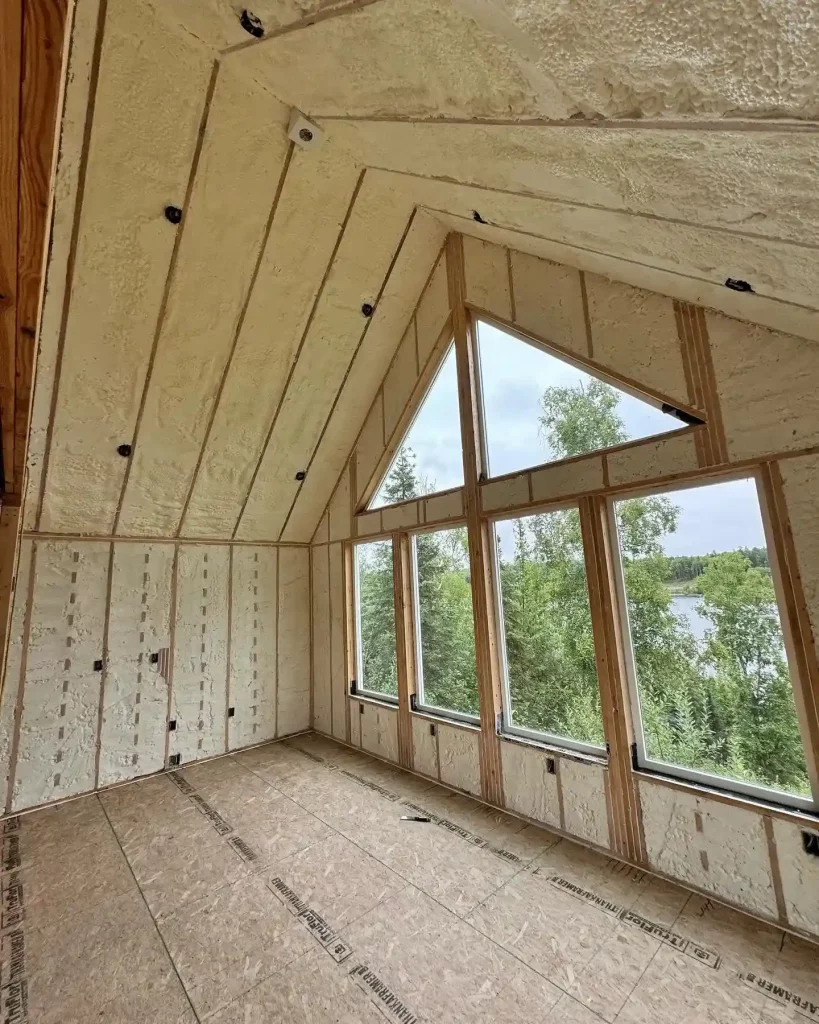
Another common concern involves roofing. There is a frequent myth that spray foam applied to the underside of a roof deck will cause shingles to overheat or fail prematurely. When applied by a trained professional who understands modern building science, these risks can be mitigated through proper ventilation strategies. Always ask your contractor how they plan to manage the moisture and thermal balance of your roof assembly before moving forward.
At Polyseal Insulation, we know that the quality of the application is just as important as the product. Serving the local area, we focus on precision and safety, ensuring that the foam is mixed at the correct temperature and pressure for our specific climate conditions.
We prioritize a thorough site assessment to determine whether open-cell or closed-cell foam is the correct technical fit for your home. If you have questions about how spray foam could improve your home’s energy profile, or if you want to understand the specific requirements for your building, contact us at (907) 341-4848 for a professional free consultation. We believe in transparency, and we are happy to walk you through the process so you can make an informed decision for your property.
Professional-grade spray foam requires specialized equipment and training to ensure proper mixing and curing. DIY kits are typically insufficient for whole-home insulation.
Once the foam is fully cured and the building is properly ventilated according to the manufacturer’s instructions, it is generally considered inert and safe for residential use.
Closed-cell foam is rigid and can add significant racking strength to wall assemblies, while open-cell foam is flexible and provides minimal structural reinforcement.
The spraying portion is fast, but the preparation and curing time depend on the size of the area; most projects are completed within a few days.
While spray foam is excellent at air sealing, which reduces noise, open-cell foam is generally better at absorbing sound than closed-cell foam due to its softer structure.