

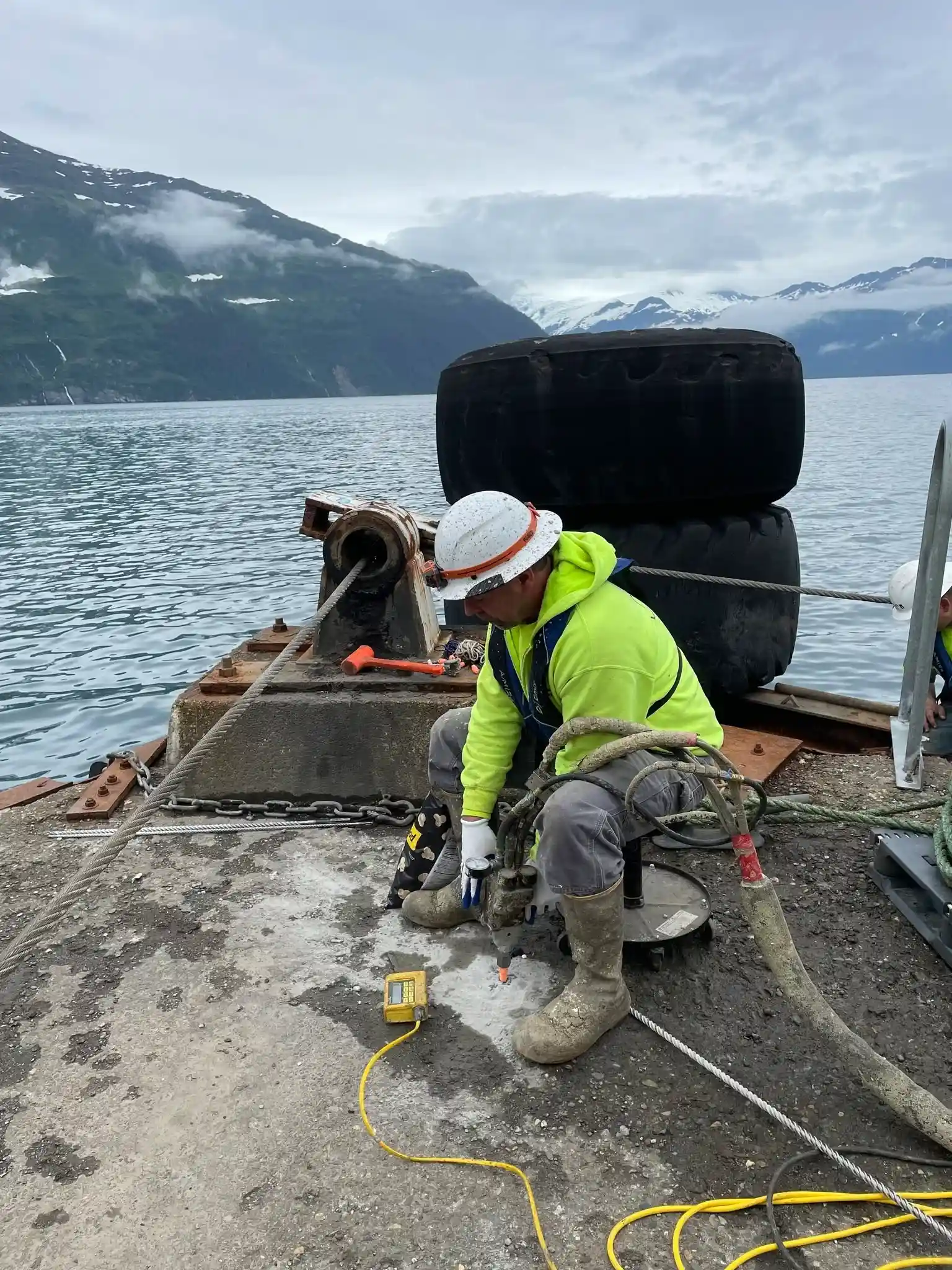
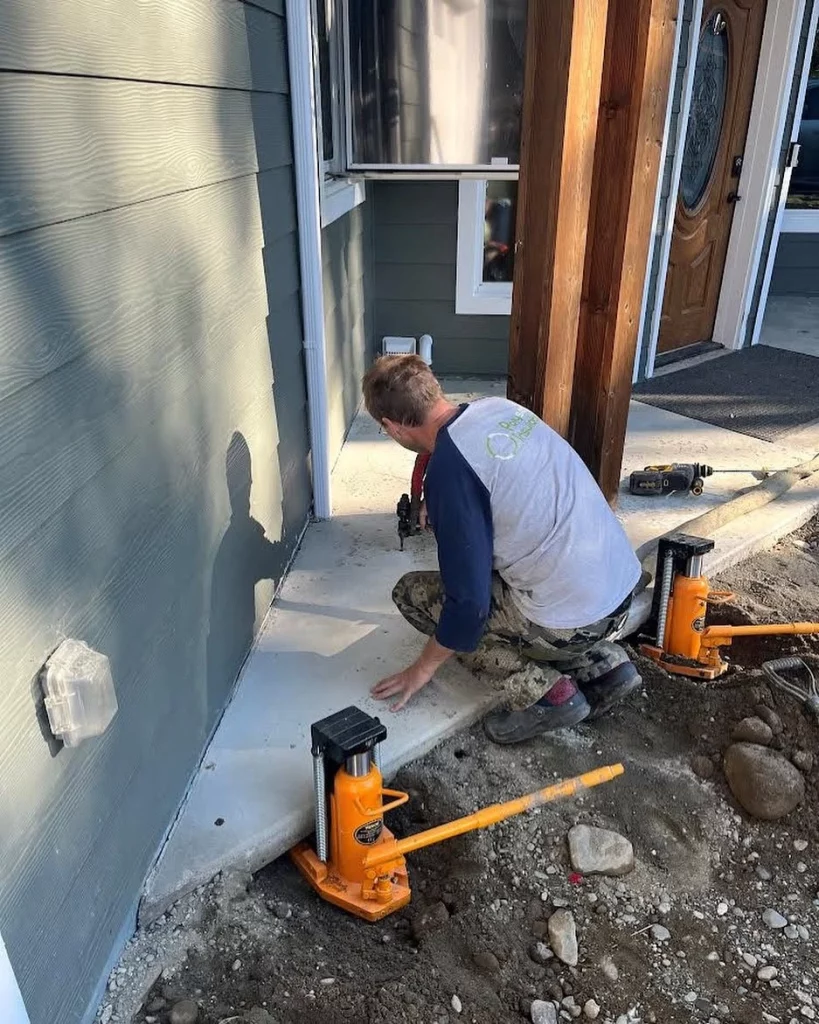
Concrete lifting, also known as slabjacking or mudjacking, restores settled and uneven concrete surfaces by drilling small access holes and injecting material beneath the slab to raise it back to grade. It is a cost-effective fix because the existing slab stays in place: there is no demolition, no haul-off, minimal new material, and the surface is typically back in service within hours instead of the days a full replacement requires. The right method depends on the slab’s condition, the soil beneath it, and water management around it, as explained in concrete lifting explained: methods, benefits and costs, with three main approaches available: traditional mudjacking, stone slurry grout leveling, and polyurethane foam injection. For homeowners, commercial property managers, and facility owners, especially in frost-prone regions like Anchorage and the Mat-Su Valley, lifting addresses the problem while preserving the slab you have already paid for.
Concrete does not fail on its own; it follows the ground beneath it. According to Wikipedia’s overview of concrete leveling, the most common cause of slab settlement is inconsistent soil moisture, which causes soil to expand and contract between wet and dry seasons. Soil erosion from improper drainage, poorly compacted backfill around foundations, fill dirt under slabs, and even tree roots contribute as well.
In cold regions, frost heaving adds another force: growing ice lenses within frost-susceptible silty soils can lift the ground by a foot or more, and differential heaving cracks pavement and damages foundations. Water management is the common thread. The USGS Water Science School documents that subsidence and soil compaction affect more than 17,000 square miles across 45 states, with over 80 percent of identified subsidence linked to water, and lists thawing permafrost among its causes, a real consideration in Alaska. A lifting plan should always include a diagnosis of which of these forces is at work.
The process is fast and minimally invasive when done correctly. Based on Wikipedia’s slabjacking description and the Missouri Department of Transportation’s mudjacking policy guide, here is the sequence our crew follows:
| Method | Best For | Hole Size | Key Strengths | Watch-Outs |
|---|---|---|---|---|
| Mudjacking (soil-cement grout) | Driveways, sidewalks, patios, garage slabs | 1 to 2 inches | Low-pressure, finely controlled lift; budget-friendly; higher compressive strength than foam | Larger holes; more cleanup; material can erode if water is not managed |
| Stone slurry grout leveling | Precise residential leveling where finish matters | About 1 inch | Dries to a hard, stone-like base; highest compressive strength of the three | Slabs must be within reach of truck-mounted equipment |
| Polyurethane foam injection | Voids under slabs, areas with tight access, moisture-prone soils | Under 1 inch | Hydrophobic, does not erode, cures in about 30 minutes, densifies weak soil | Requires trained technicians; not suited for filling large voids |
MoDOT notes that for highway work, polyurethane should be hydrophobic so groundwater does not compromise the material, and that polyurethane is generally reserved for raising and stabilizing pavement or filling small voids rather than large cavities. Professional concrete lifting services can help determine whether this method is appropriate for the specific slab and site conditions.
The economics of lifting come from everything a lift does not require:
Final investment depends on slab size, void depth, access, and the chosen method, which is why we quote every project after an on-site assessment.
| Slab Condition | Recommended Path | Why |
|---|---|---|
| Sound slab with settlement or voids | Lifting | The slab is structurally worth saving; the problem is the base below it |
| Hairline cracks, still stable | Lifting | Grout or foam supports the slab; minor cracks are often present but hidden before lifting |
| Many cracks, broken sections | Replacement | MoDOT and Wikipedia both note badly cracked slabs cannot be raised effectively |
| Slab over uncompacted fill | Lifting plus soil treatment | Foam can consolidate loose soil, though any slab over poor fill can resettle, including new concrete |
Uneven slabs are a legal issue, not just a cosmetic one. The U.S. Access Board’s guide to the ADA Standards allows changes in level up to 1/4 inch on walking surfaces without treatment, up to 1/2 inch only with a 1:2 bevel, and requires anything higher to be ramped. Accessible surfaces must also be firm, stable, and slip resistant. A settled sidewalk panel or heaved entry slab on a commercial property can fall outside those limits immediately, which makes lifting a fast way to restore compliance and reduce trip-and-fall exposure without closing the walkway for a week.
A quality lifting contractor will explain the cause before quoting the cure, measure elevations with a level or stringline rather than eyeballing, and commit to incremental lifts. Look for transparency about which material they plan to use and why, honest answers when a slab is too cracked to save, patched and color-matched holes, and drainage recommendations included in the plan. Clear communication about timeline, access, and warranty terms is just as important as the lift itself.
At Polyseal Insulation, we lift, level, and stabilize settled concrete for homes and commercial properties across Anchorage and the Mat-Su Valley, and we pair every lift with an honest assessment of the soil and water conditions that caused the settlement. Our team will tell you plainly whether your slab is a candidate for lifting or better served by replacement, then complete the work with the controlled, incremental process described above. Call us at (907) 745-7325 or email [email protected] to get started.
Request a Quote | Schedule a Concrete Assessment
Level surfaces are safer surfaces, and the sooner a settled slab is addressed, the more of it we can save.
Most residential projects are completed in a few hours. Foam injections can cure in about 30 minutes, and grout-lifted surfaces are typically usable the same day.
Holes range from under 1 inch to 2 5/8 inches depending on the method, and we patch them with color-matched, non-shrink grout so they blend into the surface.
The lift lasts as long as the base is protected. Managing drainage and frost exposure protects the repair, and hydrophobic foam resists erosion from water under the slab.
No. Badly cracked or broken slabs cannot be raised effectively and are safer to replace. We evaluate every slab and tell you when replacement is the better call.
Highway maintenance guidance favors cool weather when slab joints are open, but voids can and should be filled any time they appear, before winter makes them worse.