
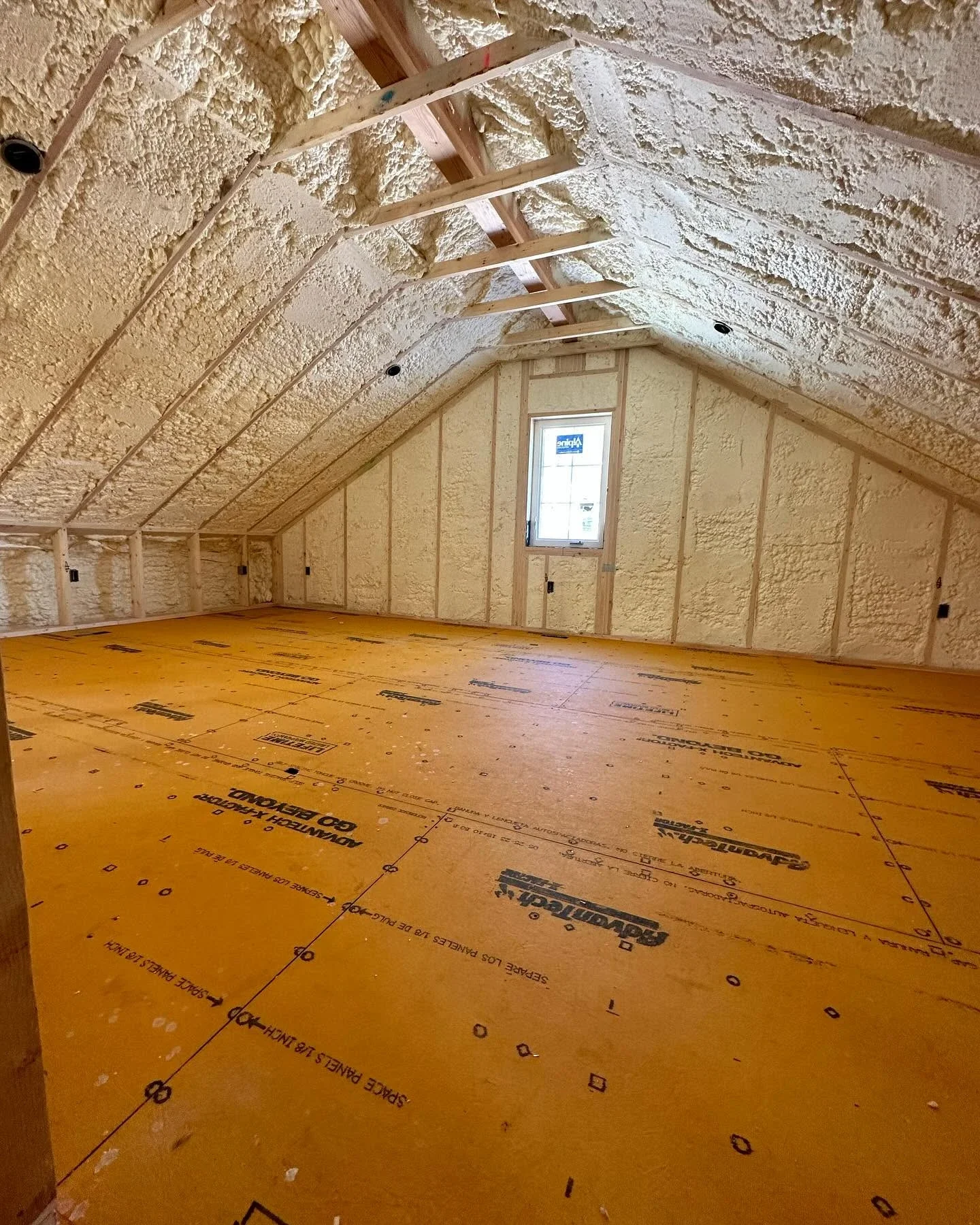
Finding accurate pricing for open-cell spray foam insulation in Palmer, AK can feel like a guessing game because there is no single flat rate for every home. Instead of a simple cost per square foot, professional insulation contractors calculate pricing based on board feet. Understanding this metric and how local environmental factors influence your specific project is the best way to budget effectively and avoid surprises during your installation.
Open-cell spray foam is a soft, flexible material characterized by its light, sponge-like structure. During the installation process, the foam expands rapidly to fill wall cavities, attic rafters, and hard-to-reach nooks. This expansion creates an effective air barrier that reduces drafts and provides significant sound-dampening benefits compared to traditional fiberglass or cellulose insulation.
According to the U.S. Department of Energy, this type of insulation is highly effective for reducing energy loss in buildings. Because the cells of the foam are open, the material is more breathable than its closed-cell counterpart. This makes it an effective choice for interior applications or climate-controlled spaces where moisture management is handled by other parts of the building envelope. It is essential to recognize that while open-cell foam offers a solid R-value, it does not provide the same structural rigidity or water vapor resistance as closed-cell foam.
Many homeowners search for a price per square foot, but that figure is often misleading in the insulation industry. Contractors calculate costs using board feet, which is a volume measurement defined as a piece of material 12 inches by 12 inches by 1 inch thick. Open cell spray foam projects start at around $1,500, mid-size jobs run closer to $10,000, and large projects can reach $100,000, depending on how much material the building needs.
If you receive a quote that seems high, it may be because your project requires a specific thickness to meet local building energy codes. The International Residential Code outlines the standards regarding insulation R-value requirements for residential building assemblies that dictate how much material you actually need. Because every home in Palmer has a different layout, depth, and accessibility profile, standardized online calculators rarely provide an accurate estimate. Professional contractors provide a quote only after assessing your home’s unique dimensions and the required thickness for your specific climate zone.
Your final cost is driven by the physical realities of your property and the strict requirements for Alaska’s climate.
To get the most accurate quote, have your square footage and approximate cavity depth ready when you speak with a contractor. Providing details about the type of structure, such as whether you are insulating a new metal building or a residential attic, helps us provide a more realistic projection.
Choosing the right insulation type depends on where you are applying it and what performance goals you have.
| Feature | Open-Cell Spray Foam | Closed-Cell Spray Foam |
|---|---|---|
| R-Value | Low to medium | High |
| Moisture Resistance | Permeable (allows vapor) | Highly water-resistant |
| Structure | Flexible and soft | Rigid and hard |
| Best Use | Interior walls, noise reduction | Roof decks, exterior walls, basements |
Open-cell foam is a cost-effective solution for reducing noise and sealing air leaks in residential wall cavities. However, if you are insulating a roof deck or a space prone to moisture accumulation, closed-cell foam is often the preferred choice due to its superior water resistance. Discussing your project goals with a local professional ensures you do not overspend on the wrong material.
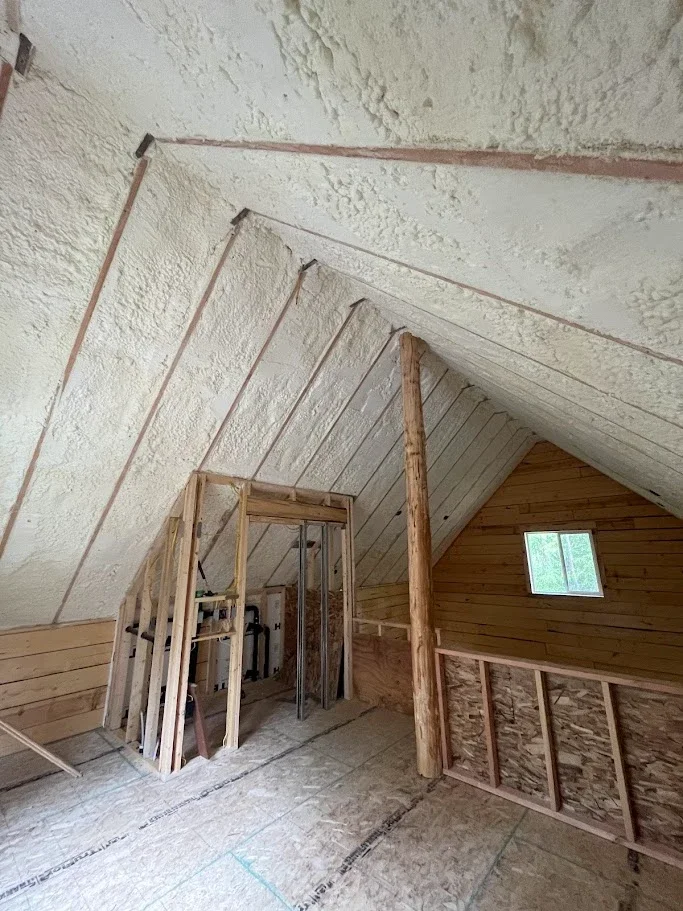
Spray foam installation is not a simple DIY project. Proper application relies on precise chemical mixing and temperature control, both of which are significantly impacted by Alaska’s cold environment.
As a locally owned company serving the Palmer and Mat-Su, Polyseal Insulation understands the specific challenges our climate poses to building envelopes. Professional installation ensures the foam expands correctly, adheres securely, and meets all applicable safety and energy standards. We focus on getting the job done right the first time, preventing the long-term energy loss that comes from improper application or inferior material use.
If you are planning an insulation project and want an honest, site-specific assessment for your home in Palmer, we are ready to help. We prioritize clear communication and local expertise to ensure your insulation investment delivers lasting comfort.
Call us at (907) 341-4848 or email [email protected] to discuss your project requirements today.
Yes, but specialized equipment is required to maintain proper chemical temperatures. We ensure the environment is prepped so the foam cures correctly despite outside temperatures.
No, open-cell foam remains soft and flexible, meaning it does not add significant structural strength to your wall or roof framing.
Most residential projects take one to two days, depending on the square footage, accessibility of the area, and the amount of preparation needed.
When installed correctly by professionals who follow proper ventilation protocols, any odor from the chemical reaction typically dissipates within a few days of application.
In most cases, yes. To ensure the spray foam bonds directly to the building substrate and provides the intended air seal, old fiberglass or other debris must be removed