
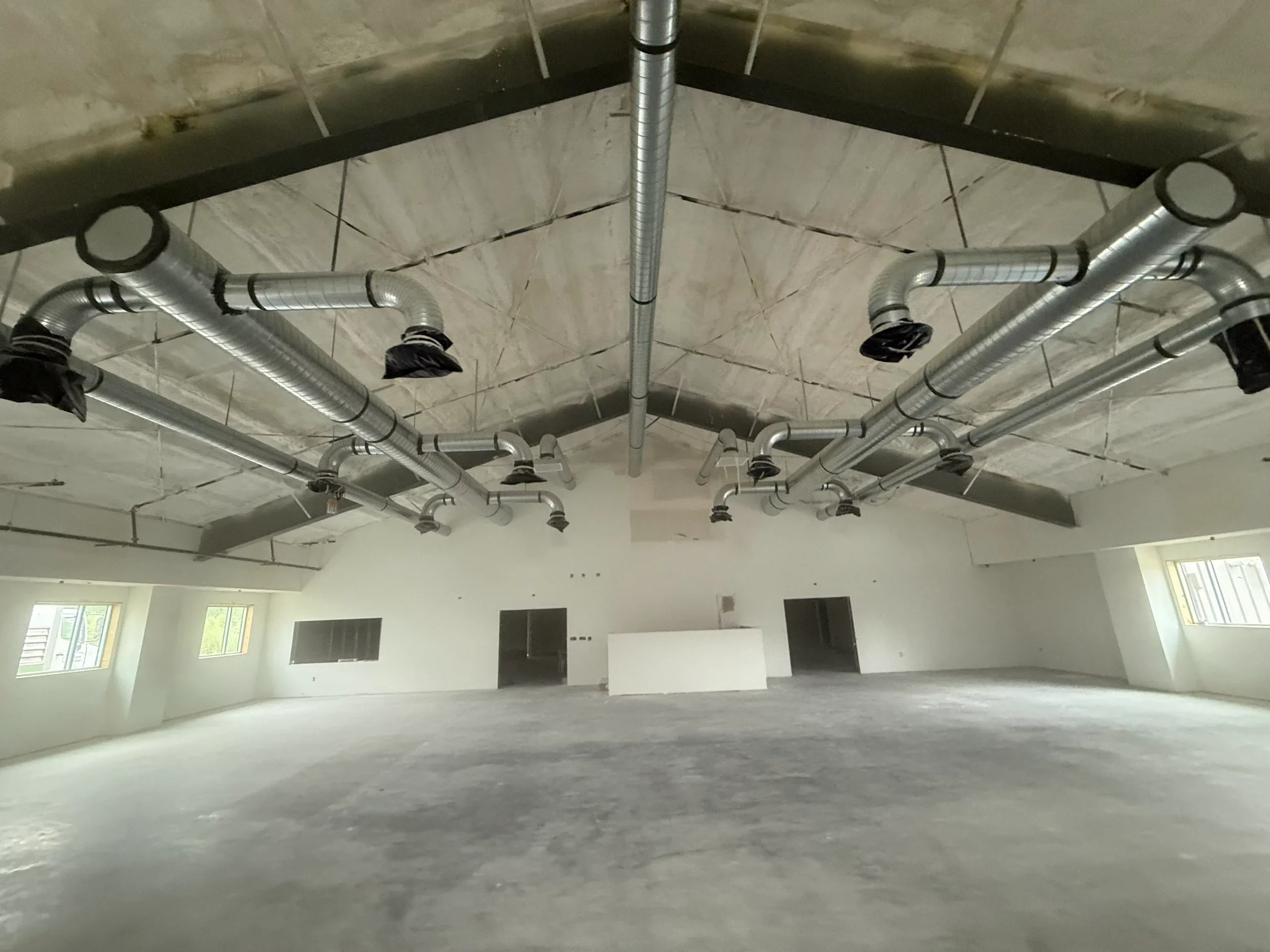
Commercial spray foam insulation serves as an engineered building envelope solution that integrates thermal, air, moisture, and vapor control into a single application. For large-scale building projects, it creates a monolithic seal that traditional materials like batt or board insulation cannot match, significantly reducing air leakage and mechanical stress on HVAC systems.
A building envelope is the physical separator between the conditioned interior and the exterior environment. In large commercial structures, maintaining this barrier is often the primary challenge for energy efficiency and structural longevity. Traditional insulation methods often rely on multiple overlapping layers, each with seams or gaps that can compromise the performance of the entire system.
Commercial spray foam functions as a 4-in-1 control layer. Because it is applied as a liquid that expands into a solid, it fills irregular voids, seals seams, and adheres directly to substrates. This creates a continuous, monolithic barrier that prevents uncontrolled air movement. In large-scale projects, stopping air leakage is often more important than the R-value itself, as moving air carries moisture that can lead to hidden structural damage or mold growth within wall cavities.
Spray foam works by creating a pressurized, air-tight seal that remains stable over the life of the building. In large structures, such as warehouses or industrial facilities, the building often undergoes expansion and contraction due to temperature shifts. Because high-quality spray foam is elastomeric, it moves with the structure rather than cracking or settling, which is a common failure point for rigid board insulation.
When the material is applied, it expands to 30 to 100 times its original liquid volume, depending on the type, effectively locking into place. This process eliminates the thermal bridging that occurs with metal stud framing or structural steel members. By wrapping the entire building envelope in a continuous layer of insulation, we can maintain consistent interior temperatures with significantly less energy consumption. According to data published by the National Institute of Standards and Technology, the energy savings from effective air sealing in commercial buildings can reach 30 percent or more depending on the climate and building type.
Selecting the right material depends on the specific goals of the project. We typically choose between two main types of spray foam for commercial applications:
| Feature | Closed-Cell Foam | Open-Cell Foam |
|---|---|---|
| R-Value per Inch | High (~6.0–7.0) | Moderate (~3.5–4.0) |
| Vapor Barrier | Yes | No |
| Structural Benefit | Adds rigidity | None |
| Best Use | Exterior walls, metal roofs | Interior walls, soundproofing |
For facility managers and owners, the value of spray foam extends beyond lower utility bills. One of the most immediate benefits in large-scale metal buildings is the control of condensation. Without a proper air seal, warm interior air hits the cold metal panels of the roof or wall, causing water to bead and drip. This condensation can cause interior damage and accelerate corrosion of the building’s frame. By applying closed-cell foam, we raise the surface temperature of the metal, keeping it above the dew point and preventing condensation.
Additionally, because the foam adheres so strongly to the substrate, it helps stiffen the building envelope. This can be particularly beneficial in large-span structures where wind uplift on roofs is a concern. The integration of these benefits helps protect the building as a capital asset, reducing the long-term maintenance costs associated with moisture-related repairs and HVAC system strain.
The shift toward more stringent energy codes means that insulation is now a major part of the building’s mechanical design. One of the most important considerations for current projects is the regulatory transition away from HFC-based blowing agents. New federal and state regulations are moving toward U.S. Environmental Protection Agency-regulated HFO-based blowing agents to lower the global warming potential of building materials. Using outdated products can lead to compliance issues during inspection.
Beyond the product choice, the human element remains the most significant variable. Spray foam is not a “plug-and-play” material. The chemical reaction depends on precise temperature, pressure, and mix ratios. Poor installation leads to off-gassing, improper R-values, or foam that fails to adhere. We recommend working only with installers who maintain current certifications and can provide documentation of their training and safety protocols.
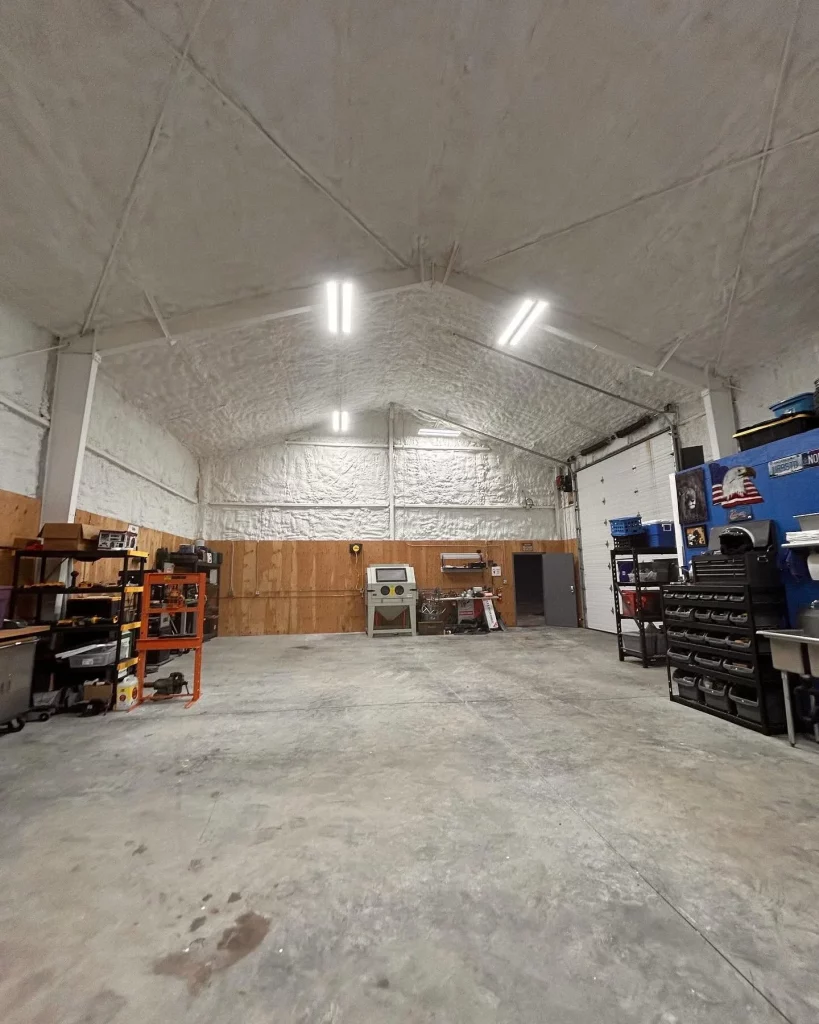
If you are planning a large-scale project and need to determine which insulation strategy will provide the best long-term ROI, we are here to help. Polyseal Insulation specializes in the specific demands of commercial and industrial building envelopes. Our team understands the technical requirements for air sealing, moisture control, and modern code compliance. Reach out to us at (907) 341-4848 or send an email to [email protected] to discuss your project requirements.
Usually, no. To get the performance benefits of a monolithic seal, we must remove old, degraded insulation to ensure the foam adheres directly to the building substrate.
It provides an excellent under-deck insulation layer. It can stiffen the roof deck and prevent air leaks, which often improves the performance of the new roofing system.
The area must be vacated during the application and for a set curing period afterward. Our technicians use professional ventilation and containment protocols to protect the site.
Closed-cell foam is better for thermal performance and structural rigidity. Open-cell foam is generally superior for sound absorption due to its lighter, more porous structure.
Always request documentation of installer certifications and ask for a visual inspection of the foam’s density and coverage, which confirms the product was mixed correctly.