
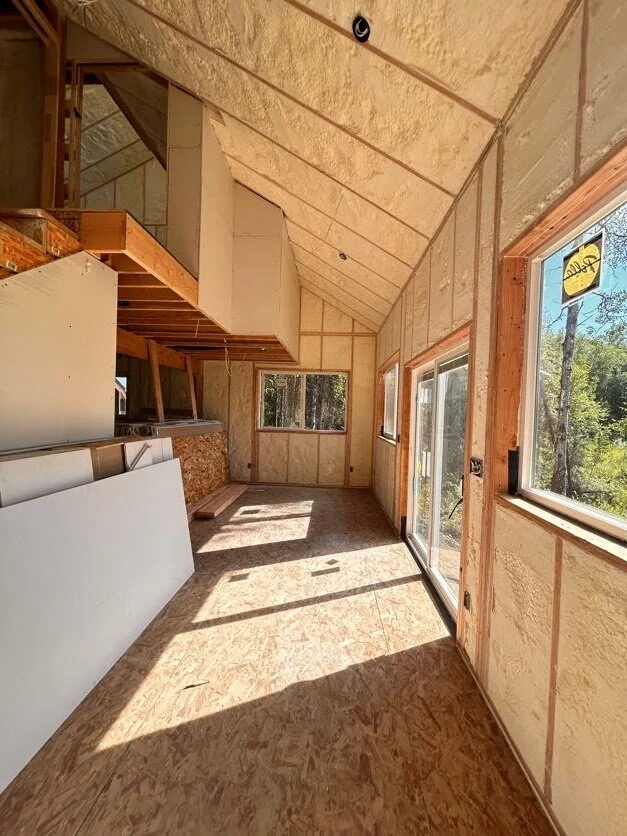
Many spray foams need air and surface temperatures between 40°F and 120°F, with wood under 19% moisture. Surfaces must also be clean, dry, free of frost, and at least 5°F above the dew point. Exact limits vary by product, so always follow the manufacturer’s data sheet before spraying.
Getting the home spray foam application temperature right decides whether foam bonds tightly or peels away from your framing. Temperature is only half the story, though. The surface we spray matters just as much, and we’ll cover both below.
Spray foam is a chemical reaction, not a coat of paint. When the surface is cold, wet, or dirty, that reaction can go wrong.
A cold surface pulls heat out of the foam, so it may not expand or bond the way it should. The foam can then separate from the wall and leave gaps and air leaks behind your finished drywall.
Home spray foam installation conditions come down to three things: air temperature, surface temperature, and surface condition. We look at all three before we spray.
Product limits vary, so the data sheet for the foam we’re using always wins. Still, a few real numbers show you what’s normal.
Accufoam lists 40°F to 120°F for both air and surface temperature on one of its foams, with substrate moisture under 19%. Gaco sets a 40°F minimum surface temperature for its ToughFoam and says warmer surfaces give better yields.
| Condition | Typical Target | Why It Matters |
|---|---|---|
| Air temperature | 40°F to 120°F | Affects how the foam reacts and expands |
| Surface temperature | 40°F to 120°F | Cold surfaces weaken the bond |
| Wood moisture | Under 18% to 19% | Wet wood hurts adhesion |
| Dew point | Surface at least 5°F above it | Prevents condensation under the foam |
Air and surface temperature aren’t the same thing. A room can feel comfortable while the studs or roof deck sit well below the air temperature.
Foam grips best on clean, dry, solid surfaces. Anything between the foam and the framing becomes a weak point.
Dust, cobwebs, oil, and loose debris all get in the way of adhesion. Frost and dew are just as bad, since a thin film of moisture keeps foam from bonding. Gaco also advises against spraying when a surface is within 5°F of the dew point, and that’s why we pay attention to humidity on damp days.
In residential spray foam application, rim joists, and crawl spaces deserve extra attention. They can stay cold and damp longer than the living areas of your house.
Often yes, but only when the surface itself is within the product’s range. Cold air alone isn’t the deciding factor.
Gaco warns that surfaces colder than recommended can make foam crack and pop off. Warming the space ahead of time brings surfaces up, and some manufacturers offer winter formulas for cold jobs.
If a surface can’t reach the right temperature or still feels damp, we’d rather reschedule than spray. Removing failed foam and respraying usually costs far more than waiting a day.
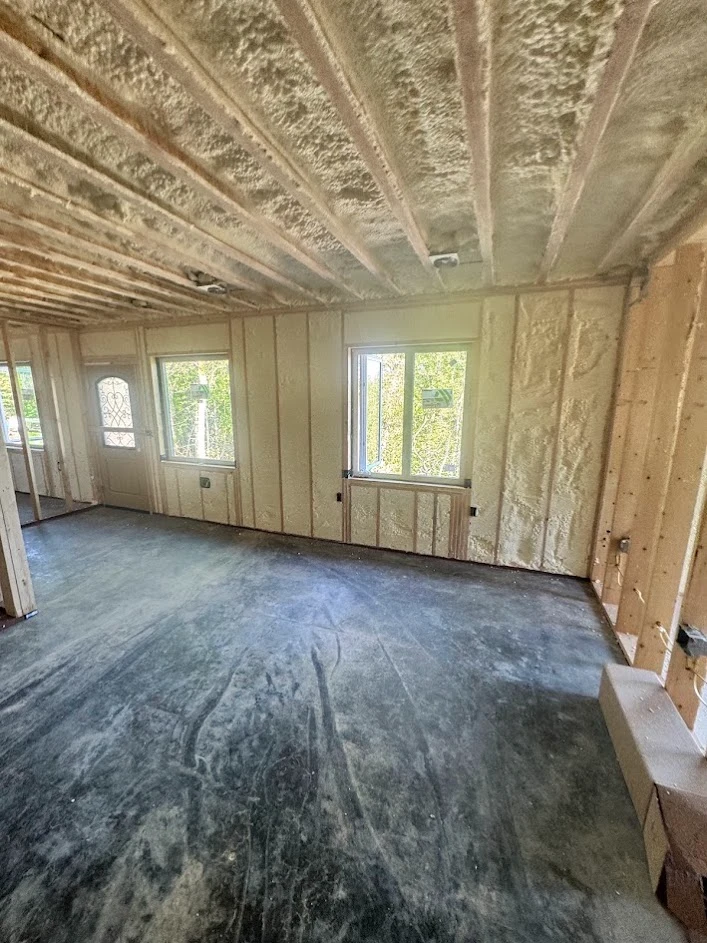
Before the gun comes out, we run through a short list. You can use it to see whether your home is ready.
Foam needs time to cure, and the work area has to stay clear while it does. Re-entry time depends on the product and the ventilation.
The EPA says only workers wearing proper protective equipment should be present during installation. It also advises homeowners to get specific re-entry guidance from their contractor, so ask for a time before the job starts.
Not sure whether your walls or crawl space are ready for foam? Polyseal Insulation offers a free quote, and we’ll talk you through the temperature and surface conditions for your project.
Phone: (907) 341-4848 Email: [email protected]
Accufoam suggests holding the building at the elevated temperature for at least 24 hours after spraying. That helps the foam cure as well as it was sprayed.
Not right away. BASF flags concrete cured less than 28 days as a high-moisture surface that needs special attention before spraying.
A psychrometer measures temperature, humidity, and dew point together, according to Gaco. An infrared thermometer gives quick surface readings across the area.
Heat can also cause trouble. Accufoam puts the field maximum around 120°F, and a sunny surface can run hotter than the air.
Usually, the surface was cold, damp, or dirty when the foam hit it. A big temperature gap between the foam and the surface can also make the foam separate.