
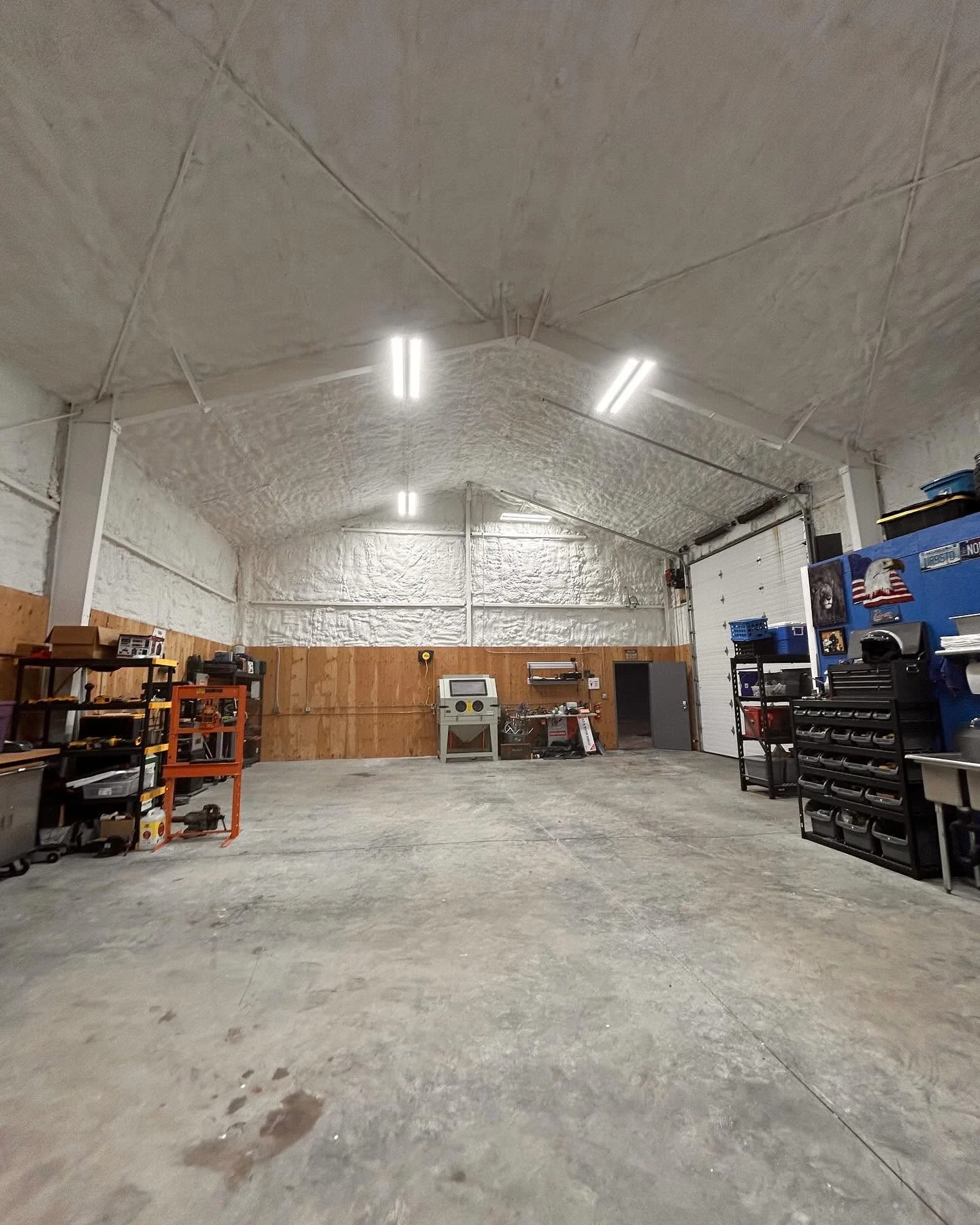
Commercial spray foam fire safety comes down to three things: a thermal barrier over the foam, tested exterior wall assemblies, and safe jobsite habits. Codes treat foam as combustible plastic, so each layer matters. Your local code official has the final say, so confirm requirements before you order your materials.
Spray foam saves energy, but it’s still plastic, and plastic burns. That’s why building codes ask for extra protection around it, and why one missed detail can cost you a failed inspection.
The American Chemistry Council says all organic foam insulation should be treated as combustible, even when it contains flame retardants. Foam can also meet open flame from welding and cutting by other trades, so protection matters from day one.
The commercial spray foam insulation fire code lives mainly in Section 2603 of the International Building Code, which covers foam plastics. Your jurisdiction adopts its own edition, so details can differ from town to town. For a better understanding of local applications, explore commercial spray foam insulation in Palmer, AK. Check with your building department before you pick a product.
A thermal barrier is the covering that keeps foam away from heat and flame in occupied space. It delays ignition, which gives people time to get out.
Here’s the short version of the thermal barrier requirements spray foam installs must meet. The American Chemistry Council explains that model codes require foam to be separated from the interior by a barrier such as half-inch gypsum wallboard or another approved material. Some products skip the barrier when large-scale fire tests approve them, including NFPA 286, FM 4880, UL 1040 and UL 1715.
Other coverings can qualify too. Spray Foam Magazine describes a modified ASTM E119 test, where the foam surface temperature rise stays at or below 250°F after 15 minutes. Approval depends on the actual end-use setup at the maximum thickness, typically documented in an ICC-ES evaluation report. That article dates to 2009 and cites older section numbers, so confirm against your current code.
Often, yes. Exterior walls are where fire can climb from floor to floor, so codes look harder at them.
The International Code Council says foam plastic in exterior walls of Type I through IV construction needs NFPA 285 testing, and that applies to any building height. Its material also lists a flame spread index of 25 or less, a smoke developed index of 450 or less, a gypsum thermal barrier on the interior side, and a wall assembly that keeps its fire rating under ASTM E119 or UL 263.
IIBEC notes Type V construction isn’t required to comply, and older code editions included exceptions for some one-story and sprinklered buildings. Local ordinances drive interpretation, so confirm with the authority having jurisdiction before you lock in a wall design.
NFPA 285 results apply to a specific tested assembly. If a designer swaps the foam, cladding or weather barrier, the wall may no longer match a tested design. Catch that before construction starts, not at inspection.
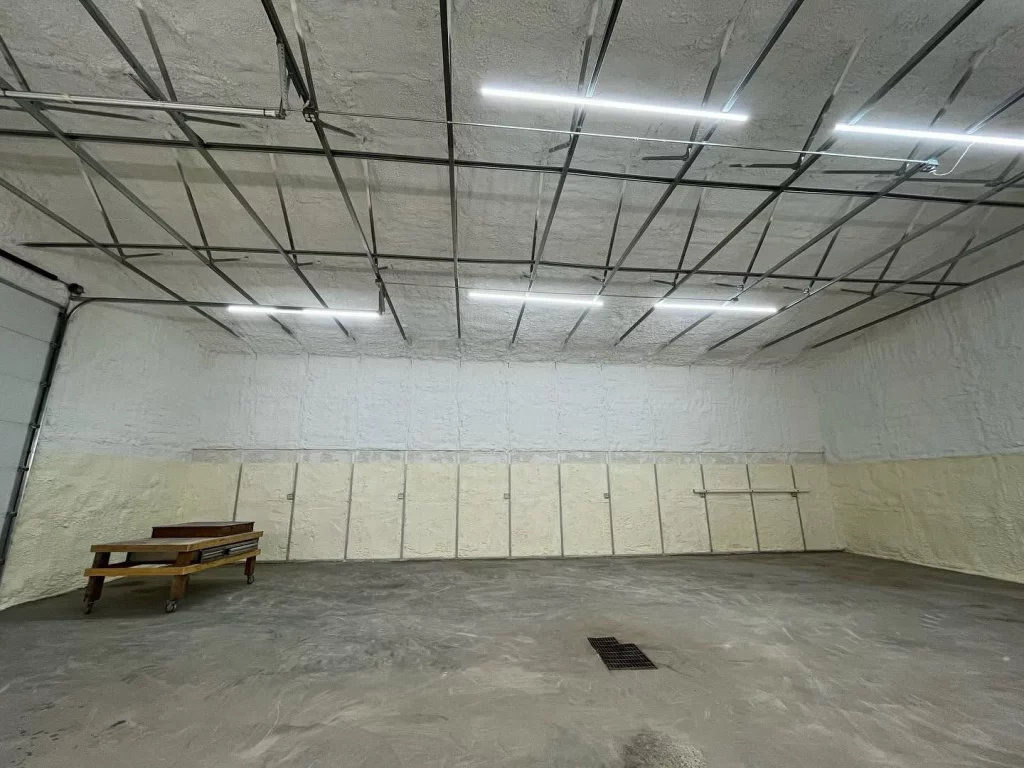
Fire risk peaks while foam, chemicals and other trades share one space. A few firm rules keep that mix under control.
The American Chemistry Council guidelines set these basics:
Schedule welders and cutters away from fresh foam, or move them to another phase. Fixing a scheduling conflict costs far less than a jobsite fire.
Paperwork is your best backup after the barrier itself. These items show your foam, thickness and covering all match code.
Fire code questions shouldn’t stall your schedule. If you’re weighing barriers, wall assemblies or foam types, we’ll talk through your project and quote it for free. Ask Polyseal Insulation about commercial spray foam solutions for your building.
A thermal barrier covers foam facing occupied space. An ignition barrier is a lighter covering allowed in attics and crawl spaces entered only for utility service, such as 1.5 inches of mineral fiber or 3/8-inch gypsum board.
Sometimes. It only works when the coating’s evaluation report lists your exact foam, thickness, and use.
NFPA 275 tests how well a barrier protects foam from ignition, and NFPA 285 tests exterior wall assemblies. NFPA 286 is a room corner fire test.
Usually, yes. ASTM E84 can’t test much beyond 4 inches, so NFPA 286 room corner testing typically steps in.
Not always. Foam in a Class A, B or C roof covering can skip it when the assembly passes FM 4450 or UL 1256.