

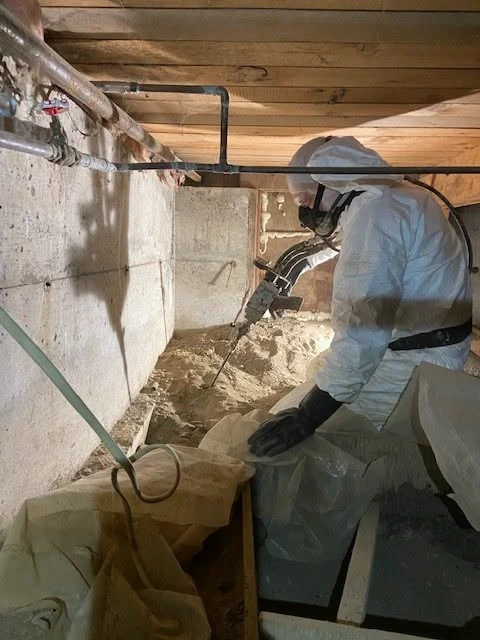
A reliable crawl space repair contractor in Palmer, AK requires engineering built for sub-arctic conditions: stabilizing frost-heaved piers with adjustable steel screw jacks or deep geotechnical foam, sealing raw ground against soil dampness using a continuous 20-mil vapor retarder, and insulating concrete stem walls with 2-lb closed-cell spray foam to prevent frozen supply lines and subfloor rot. Traditional vented dirt crawl spaces fail under Matanuska Valley freeze-thaw cycles. Long-term structural integrity demands a sealed, conditioned assembly aligned with regional thermal building standards.
Palmer’s subarctic winter climate brings sustained sub-zero temperatures and violent wind patterns funneling through the Matanuska River canyon. In fact, official building design parameters published by the City of Palmer mandate a 130 MPH design wind load and establish an official minimum frost line depth of 42 inches below finished grade. This continuous air movement triggers severe stack-effect suction, driving moisture and drafts upward into the home, proving why conventional approaches to crawl space repairs do not hold up locally.
Underneath the house, the ground conditions present an equally difficult challenge. Palmer sits on glacial outwash, wind-blown loess, and fine silts that hold tremendous amounts of water. As seasonal freezing penetrates down toward that 42-inch frost line, moisture trapped within these fine-grained silts expands into ice lenses, generating intense upward pressure known as frost heave that displaces shallow concrete deck blocks. According to cold-climate building guidance from the Cold Climate Housing Research Center, passive crawl space ventilation regularly fails in northern regions because it introduces condensation in summer and severe freezing hazards in winter.
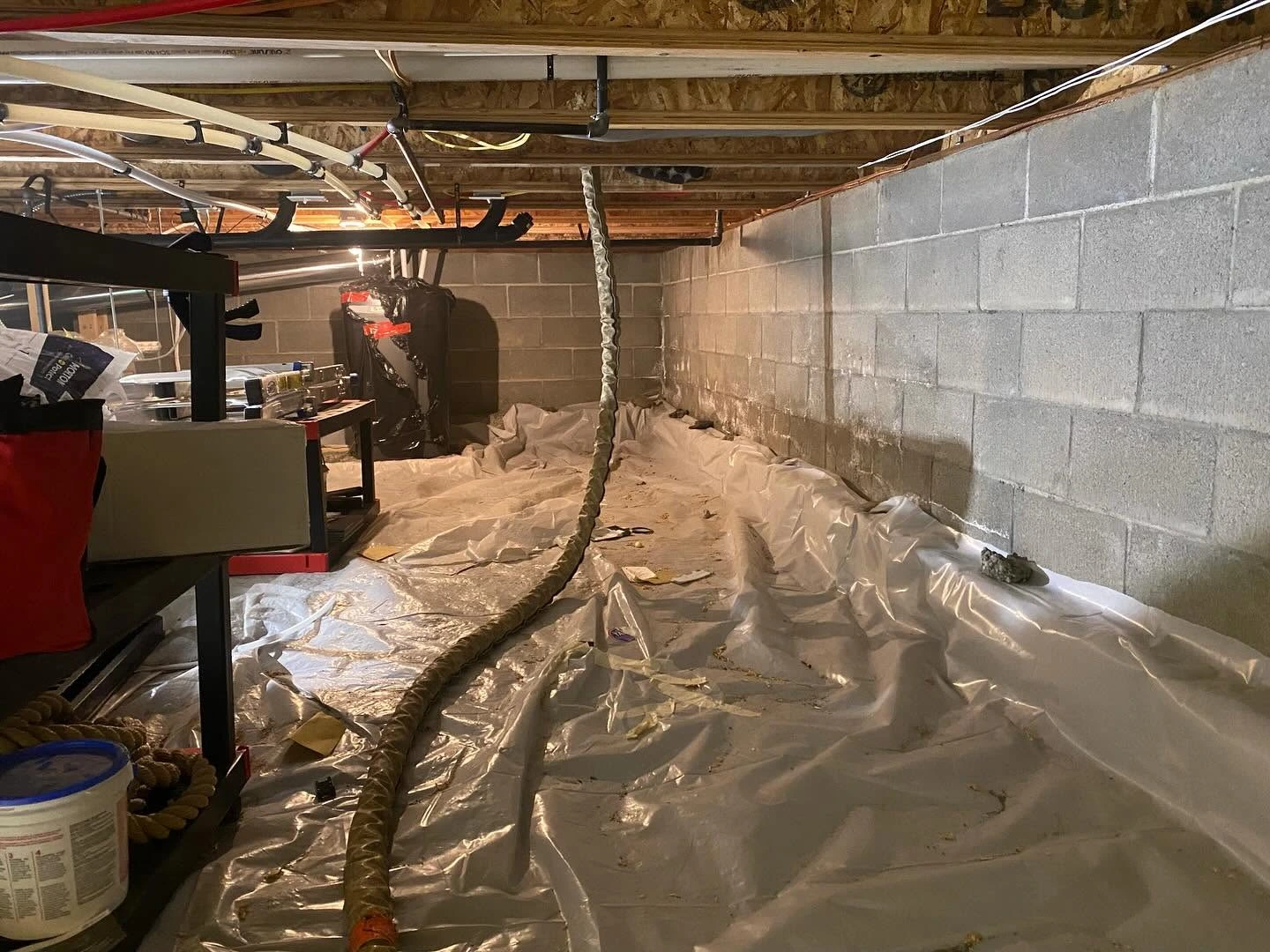
Fixing a failing crawl space permanently in the Mat-Su Borough requires addressing the soil, the framing, and the water table simultaneously. Delivering reliable crawl space repair services means avoiding temporary wood blocking or quick patches that rot out after two seasons.
When support posts settle, we install heavy-duty adjustable galvanized steel screw jacks seated on broad, engineered footing pads. These assemblies allow precise re-leveling of sagging carrier girders and provide mechanical stability that can be adjusted if future seismic adjustments occur. Where floor joists have suffered fungal rot from chronic humidity, we carry out comprehensive crawl space structural repair by sistering new structural framing alongside damaged members, restoring full load-bearing capacity to the floor above.
Standard fiberglass batt insulation fails inside an Alaskan crawl space. Fiberglass acts like a sponge, absorbing seasonal humidity, sagging under its own weight, and trapping moisture directly against wooden joists.
To create a permanent thermal and moisture barrier, our crawl space repair contractor team brings the crawl space inside the home's thermal boundary:
Heavy-Duty Ground Isolation: We clear debris and grade the dirt floor before installing a puncture-resistant 20-mil multi-layer polyethylene ground vapor retarder. We lap seams and mechanically fasten and seal the membrane continuously up the perimeter stem walls.
Continuous Stem-Wall Spray Foam: We apply 2-lb closed-cell polyurethane spray foam directly to the interior concrete stem walls and rim joists. At two inches of thickness, closed-cell foam forms a continuous air seal and acts as a Class II vapor retarder, meeting strict regional thermal requirements. As outlined in the regional building envelope guidelines from the Insulation Institute, building assemblies in Alaska Climate Zones 7 and 8 require high continuous insulation levels to prevent condensation and air leakage.
Conditioned Air Integration: We permanently seal exterior foundation vents. Bringing the crawl space inside the thermal envelope keeps ambient space temperatures stable year-round, protecting your mechanical equipment and water lines from freezing.
Crawl space structural remediation is not a generic handyman task. It requires specialized equipment, structural knowledge, and an understanding of sub-arctic building codes. While there are various regional crawl space repair companies to evaluate.
Polyseal Insulation has served Palmer and the Mat-Su Valley since 2002. We understand the specific soil conditions, frost depths, and moisture cycles that impact Valley foundations. Whether your home is dealing with spring flooding, cold subfloors, or shifting structural piers, our team provides engineered solutions designed for the long haul.
Call us today at (907) 341-4848 or email [email protected] to schedule an on-site structural diagnostic and crawl space repair inspection.
Yes. Sealing foundation vents and insulating stem walls with closed-cell spray foam brings the crawl space inside the home's thermal envelope, maintaining ambient temperatures well above freezing throughout sub-zero winters.
Insurance generally covers sudden accidental damage like burst pipes. It typically excludes ongoing settlement, frost heave, or dry rot caused by chronic humidity, which policies classify as deferred structural maintenance.
Standard vapor barrier installation and spray foam encapsulation take two to three business days. Projects involving structural leveling, timber sistering, and concrete pier placement typically take three to five days.
Yes. We use deep geotechnical polyurethane foam injection alongside heavy-duty adjustable steel screw jacks to compact weak subgrade soils, stabilize settled footings, and lift framing back to level.