

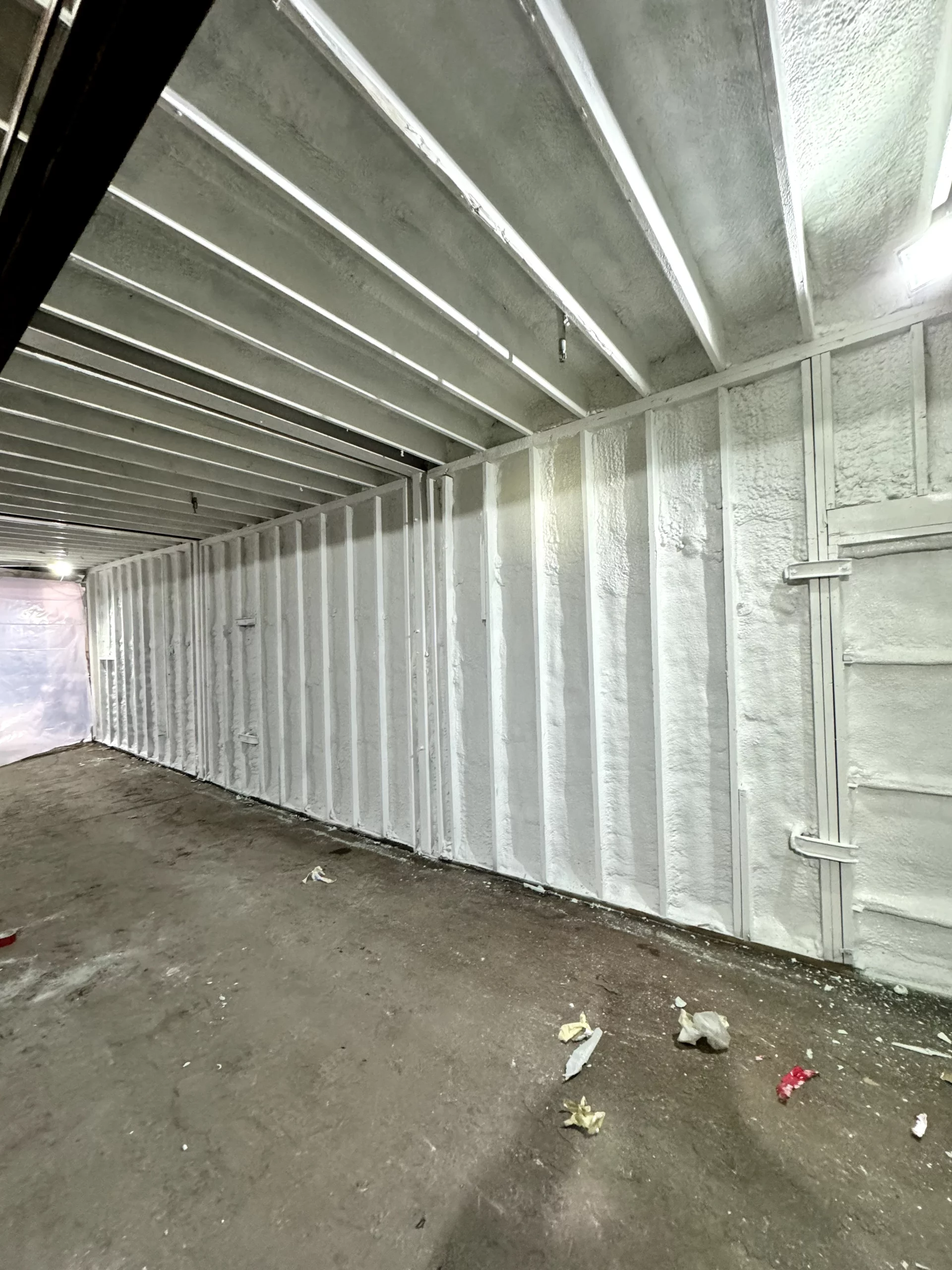
Temperatures in Palmer routinely swing from blistering summer heat to brutal subzero winters, and your spray foam insulation works hard through every season. But without the right thermal barrier coating in Palmer, AK, that spray foam installation could be a hidden fire hazard rather than the energy-saving upgrade you paid for. Polyseal Insulation applies proven intumescent coatings over spray foam to deliver fire protection, code compliance, and long-term durability for homes and businesses, going beyond basic requirements to safeguard what matters most.
Thermal barrier coatings serve as a fire-resistant layer between spray foam insulation and the interior living space of a building. Building codes require this layer because exposed spray foam can ignite at relatively low temperatures, and a thermal barrier slows that heat transfer to keep occupants safe. The International Residential Code specifies that a thermal barrier must provide at least 15 minutes of fire resistance, which is the baseline standard our coatings are designed to meet or exceed.
Our technicians apply these coatings with precision using methods that ensure even coverage and strong adhesion across every surface. Every project includes a thorough inspection to verify coating thickness and integrity, because proper application is what separates a coating that holds up from one that fails under fire exposure. We also offer free consultations and free quotes so you know exactly what your property needs before any work begins.
Benefits of thermal barrier coating:
Fire barrier coatings provide increased fire resistance for areas that demand stricter protection than a standard thermal barrier alone. These coatings are engineered to maintain their integrity during a fire, helping to prevent flames and hot gases from spreading through walls, ceilings, and concealed spaces. According to the National Fire Protection Association, fire-rated assemblies are one of the most effective measures for containing fire spread and reducing property loss in residential and commercial buildings.
Our professionals assess which level of fire protection each area of your property actually requires. Not every wall or ceiling needs the same rating, and applying the right coating in the right place saves money without compromising safety. We evaluate your entire structure and recommend targeted fire barrier solutions based on real risk factors, not guesswork or one-size-fits-all approaches.
Ignition barriers serve a different but equally important purpose compared to thermal barriers. While thermal barriers are required in occupied living spaces, ignition barriers are the standard for attics, crawl spaces, and other areas where people do not regularly spend time. These coatings prevent spray foam from igniting when exposed to a small, open flame, which is a critical safety measure in areas with exposed electrical wiring, lighting, or HVAC equipment.
Understanding the difference between these two protective coatings matters when planning your insulation project. Applying the wrong type could mean failing an inspection or leaving a gap in your fire protection system.
| Feature | Thermal Barrier | Ignition Barrier |
|---|---|---|
| Required Location | Occupied living spaces | Attics, crawl spaces |
| Fire Resistance | 15-minute rating minimum | Prevents ignition from small flame |
| Application Thickness | Thicker application required | Thinner application typical |
| Building Code Reference | IRC Section R316.2 | IRC Section R316.5 |
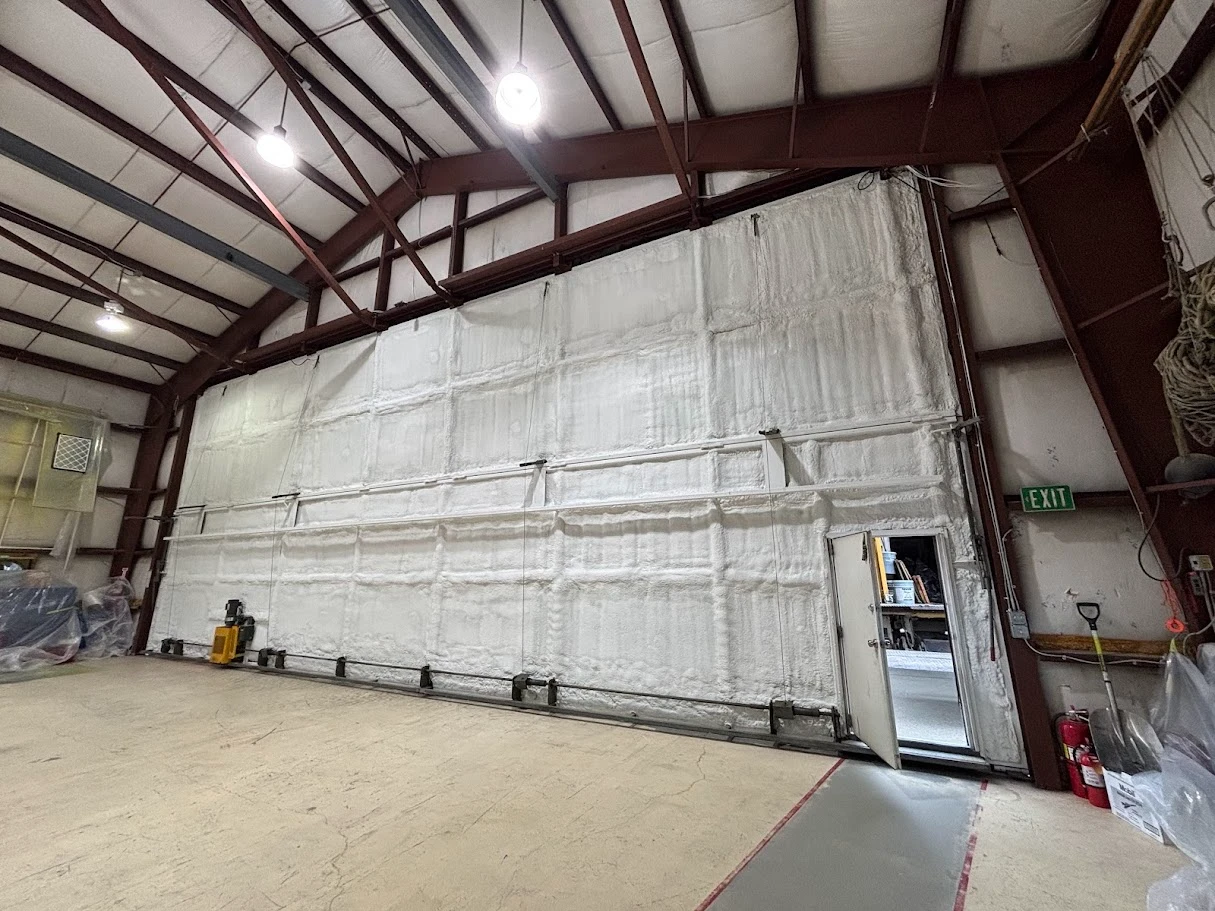
Spray foam insulation delivers exceptional R-value and air sealing performance, but it requires a protective coating to function safely over the long term. Our spray foam thermal barrier solutions are specifically designed to work with both open-cell and closed-cell foam, creating a complete insulation system built for Alaska's demanding climate conditions.
We use the following materials for every project:
Applications:
Each coating we apply is checked for adhesion, coverage, and fire performance before we consider the job complete. Our technicians have the experience to spot potential trouble areas like gaps, thin spots, or unprotected edges before those issues lead to failed inspections or safety concerns. We take the time to do the job correctly the first time, because cutting corners on fire protection is never acceptable.
Things to consider before applying a thermal barrier:
Palmer sits in one of Alaska's most productive agricultural regions, but that same location brings extreme temperature swings, heavy snow loads, and persistent freeze-thaw cycles that test every building material on your property. Homes and commercial buildings here need insulation systems that do more than just trap heat. They need fire-rated protection that holds up under conditions that would degrade lesser products in a single season.
Our experience working in Palmer means we know the local building inspectors, the common construction methods, and the specific code requirements that apply in this area. That familiarity means fewer project delays, smoother inspections, and coatings that are specified correctly for the conditions your property faces every day of the year.
Polyseal Insulation provides expert thermal barrier coating services backed by hands-on experience serving Palmer. Call us at (907) 745-7325 or email [email protected] to schedule your free consultation and free quote today. Do not wait until an inspection reveals a problem. Let our professionals make sure your spray foam insulation is fully protected and code-compliant from the start.
A thermal barrier coating is a fire-resistant layer applied over spray foam insulation to slow heat transfer and meet building code requirements in occupied living spaces.
Most residential projects are completed within one to two days, depending on the total area and the number of coats required for code compliance.
It depends on the space. Occupied areas require a thermal barrier, while attics and crawl spaces typically need only an ignition barrier.
Many intumescent coatings accept paint after fully curing, but always check the manufacturer specifications before applying any topcoat.
Cost varies based on square footage, coating type, and the number of coats needed, so reach out for a free quote tailored to your specific project.