

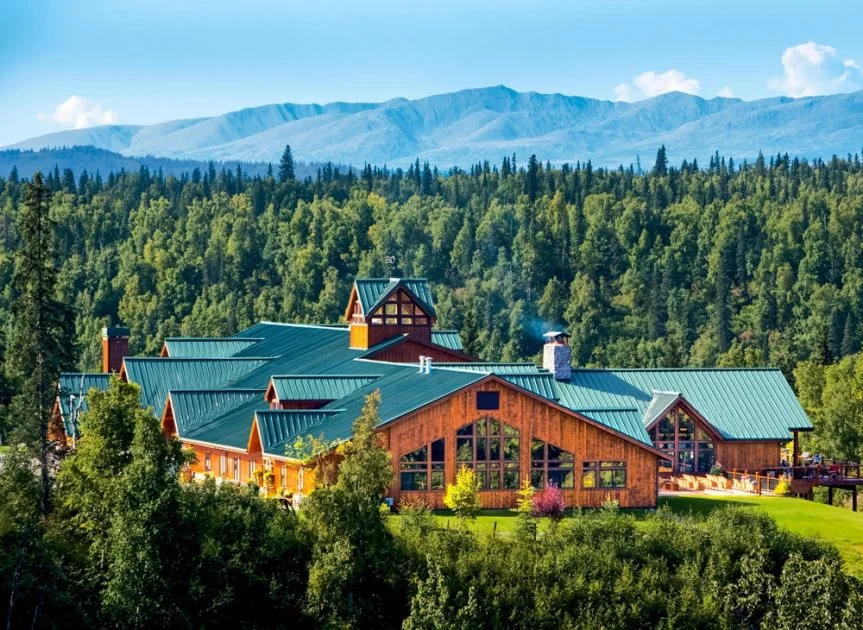
We provide residential spray foam insulation for homeowners across Palmer, Wasilla, and the greater Mat-Su Valley. Polyseal Insulation is based locally at 2360 S Old Glenn Hwy in Palmer, and we have served Southcentral Alaska since 2002. We install high-density 2.0-pound closed-cell polyurethane foam that stops severe air infiltration, delivers R-6.5 to R-7.0 per inch, and creates an impermeable vapor barrier. You can reach our local team directly at (907) 341-4848 to schedule an on-site evaluation.
The Matanuska-Susitna Valley presents severe thermal challenges for residential structures. According to data published by the National Centers for Environmental Information, this region experiences over 10,000 annual Heating Degree Days, with sub-freezing temperatures persisting for roughly 190 days each year. In this subarctic climate, traditional fibrous insulation like fiberglass batts or blown cellulose allows heated indoor air to escape through ceiling bypasses into cold places. That rising heat warms the roof deck, melting the bottom layer of the snowpack. As this snowmelt runs down to the cold eaves, it refreezes into thick ice dams that tear off gutters and back up under shingles. Applying closed-cell spray foam across the plane creates an airtight barrier that keeps the roof deck cold, stopping ice dams at the source.
High winds compound these winter temperatures. Official meteorological reports from the National Weather Service confirm that the Matanuska and Knik River valleys act as geographic funnels, routinely producing winter gap winds gusting from 50 to over 80 mph. These gale-force winds hit exposed foundation perimeters and blow straight through loose fiberglass batts. This process, known as wind-washing, can strip away up to 40% of a batt's effective insulating value and leave interior floors cold. By spraying rigid closed-cell foam along crawl space rim joists and cantilevers, we eliminate wind penetration, block drafts, and add structural racking strength to the building envelope.
We only install medium-density home spray foam on exterior building envelopes because open-cell alternatives cannot handle the Valley's winter vapor drive. When outdoor temperatures drop to -20°F, warm, humid indoor air is pulled outward toward the exterior framing. Open-cell foam absorbs that moisture, which leads to hidden wood rot and lost thermal performance. Closed-cell foam repels water and qualifies as an impermeable vapor retarder at a thickness of 1.5 inches.
As an experienced residential spray foam insulation contractor in Mat Su Valley, AK, we treat the crawl space as the home's primary thermal foundation. Dirt-floor crawl spaces constantly push cold air and ground dampness up into your subflooring, which can freeze domestic water lines and trigger floor frost heaves. We solve this by sealing your perimeter stem walls down to the footing and tying the foam directly into a durable, taped ground vapor barrier. This converts a damp, freezing pit into a dry, conditioned space that keeps your plumbing safe and your living room floors warm.
We target the hidden air bypasses that leak conditioned air around chimneys, recessed lights, and plumbing stacks. Sealing these bypasses halts the stack effect, which draws cold air in through your foundation while venting furnace heat through your roof. Investing in complete Mat Su Valley, AK home spray foam insulation typically lowers annual fuel oil, natural gas, or propane usage by 30% to 50%, paying for itself through reduced monthly heating costs.
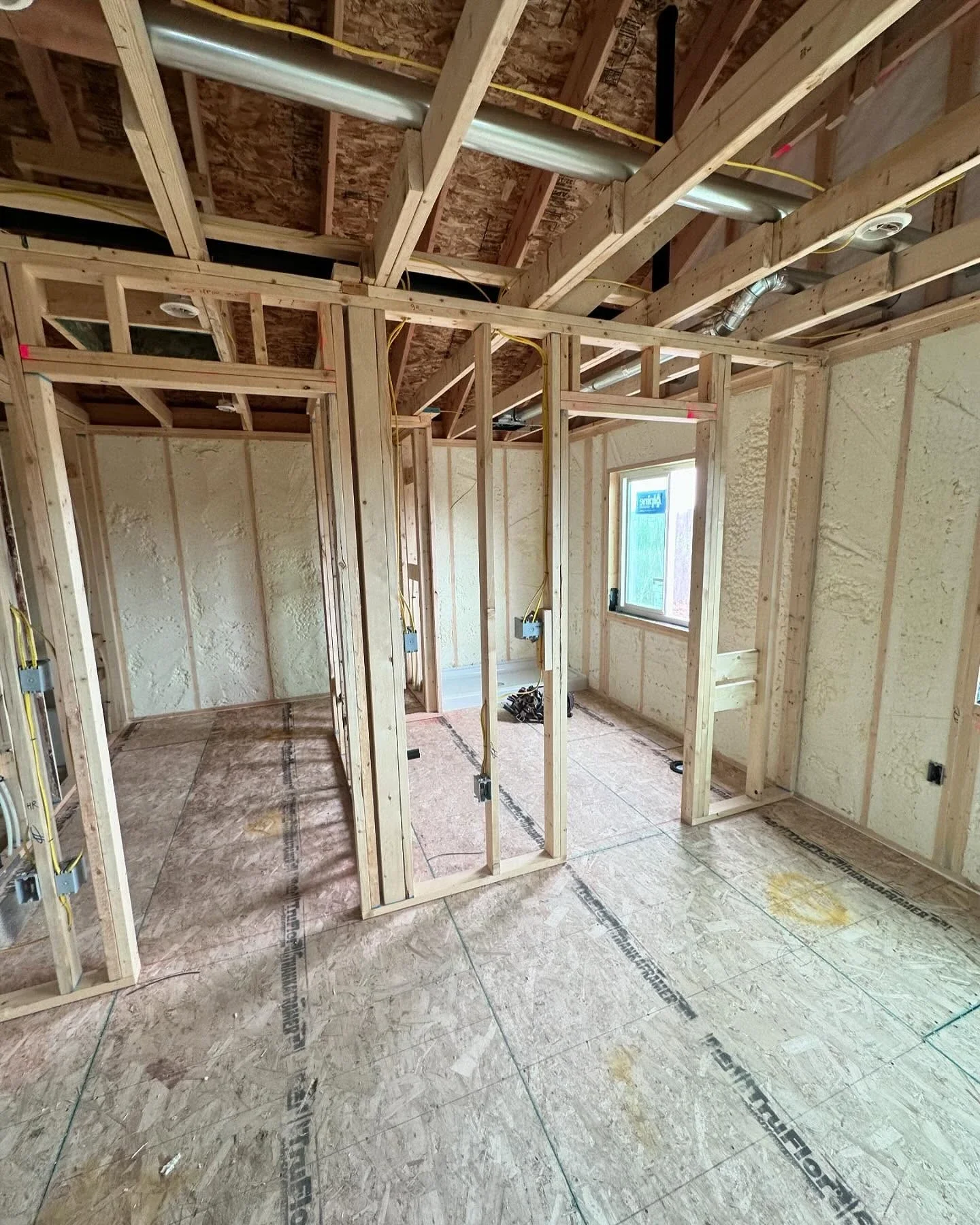
Meeting local energy benchmarks requires careful planning. While the Mat-Su Borough does not enforce a borough-wide residential building code outside the city limits of Palmer and Wasilla, state-backed mortgages require verified performance. Standards established by the Alaska Housing Finance Corporation mandate that newly financed homes meet the Building Energy Efficiency Standard (BEES) and achieve a minimum 5-Star energy rating.
Achieving this rating requires an airtight building envelope with minimal air changes per hour. We work with certified Alaska energy raters to ensure our installations meet these targets. For new construction projects, installing closed-cell spray foam helps builders achieve 5-Star Plus or 6-Star ratings, which can qualify homeowners for AHFC energy rebates of up to $10,000. Homeowners retrofitting older homes can also claim federal Section 25C Energy Efficient Home Improvement Tax Credits for insulation and air-sealing work.
Homeowners comparing local residential spray foam companies Mat Su Valley, AK need an experienced crew with reliable local equipment. We are not an out-of-town outfit traveling from Anchorage. Our shop is located right here in Palmer, so we do not deal with Glenn Highway commuter closures or charge unnecessary mobilization fees.
Drafty rim joists, freezing crawl spaces, and recurring roof ice dams are signs of an incomplete thermal boundary. Polyseal Insulation provides clear, on-site assessments for existing homes, shops, and new construction across Palmer, Wasilla, Big Lake, Sutton, Houston, and Meadow Lakes.
Contact our team to review your project and get a straightforward, board-foot estimate:
Under Alaska BEES standards for Climate Zone 7, residential homes generally target R-49 to R-60 in ceilings, R-21 or higher in exterior walls, and R-38 over unconditioned crawl spaces.
Yes. Our mobile rigs use heated hoses and drum warmers to keep chemicals at 130°F. We also pre-heat the building substrate to ensure proper bonding in sub-zero temperatures.
You, your family, and your pets must vacate the home for 24 hours. This allows our exhaust fans to vent off-gassing compounds and lets the foam cure completely.
No. Closed-cell foam bonds directly to the wood framing, eliminating the air pockets where warm indoor air could otherwise condense into moisture against cold exterior sheathing.
Single-family retrofit insulation projects on properties outside the incorporated city boundaries of Palmer and Wasilla do not require a municipal building permit from the borough.