
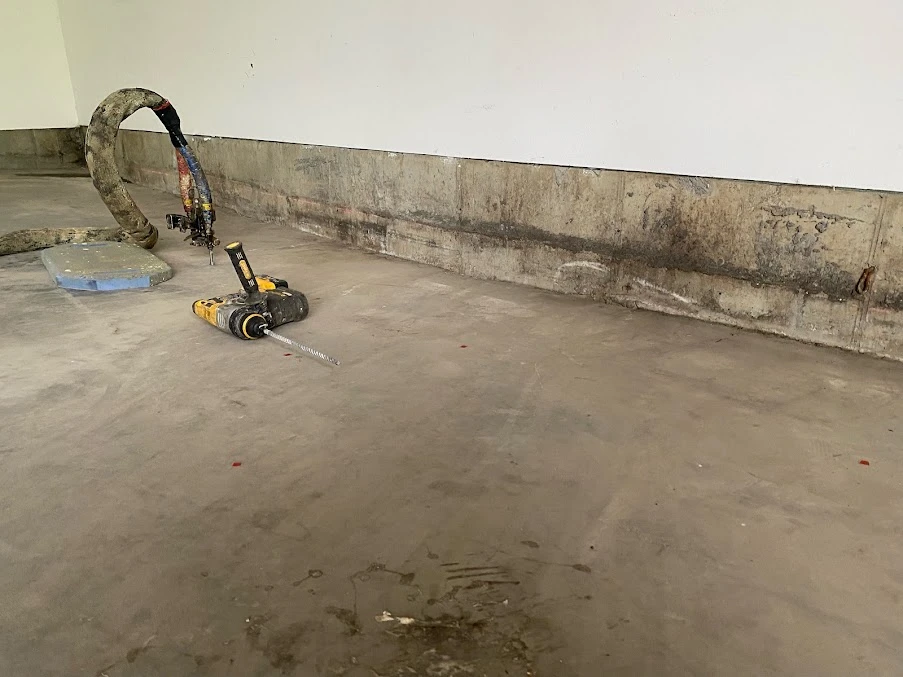
Professional concrete lifting services in Anchorage restore sunken, uneven slabs by injecting specialized material beneath the surface to fill voids and raise concrete back to its original position. In Anchorage, AK, where seasonal freeze-thaw cycles and frost heave place exceptional stress on driveways, sidewalks, patios, and garage floors, concrete lifting offers a practical alternative to full slab replacement. The right approach depends on the extent of settlement, underlying soil conditions, the type of concrete surface, and whether the area is residential or commercial. Methods range from traditional mudjacking to modern polyurethane foam injection, each suited to different scenarios.
Understanding why concrete sinks is the first step toward choosing the right repair method. In Anchorage and the broader Southcentral Alaska region, the dominant cause of uneven concrete is frost heave driven by seasonal temperature swings. According to the Alaska Department of Transportation and Public Facilities, freeze-thaw cycles are one of the most common sources of pavement damage in cold regions. When water works its way beneath a concrete slab through cracks or poor drainage and then freezes, it expands and pushes the slab upward. When that ice melts, it drains away and leaves empty voids beneath the slab, which can no longer support the weight above. Vehicle traffic and foot traffic then cause the unsupported concrete to crack and dip.
The University of Alaska Fairbanks Cooperative Extension Service further explains that fine-grained soils, such as the silts commonly found in Alaska river valleys, are among the worst soils for frost action. These soils retain water and enable ice lens formation, which intensifies heaving. Additional causes of concrete settlement include:
The Alaska Division of Geological and Geophysical Surveys notes that fluctuations in ground temperature cause soil to move as upper layers freeze with ice lens formation and then thaw, losing ice volume and leading to ground collapse. This process is especially active during Anchorage’s long winters and spring thaw periods.
Concrete lifting, sometimes called slab jacking or leveling, follows a straightforward process that can be completed in a single visit for most residential projects:
The two primary lifting methods differ in the material injected and the results they deliver.
| Method | Best For | How It Works | Key Advantages | Limitations |
|---|---|---|---|---|
| Polyurethane Foam Injection | Driveways, sidewalks, patios, garage floors, commercial slabs | High-density expanding foam is injected through small holes (about 5/8 inch) beneath the slab | Fast cure time, smaller holes, water-resistant, lightweight, fills voids completely | Higher material cost per project |
| Mudjacking (Slab Jacking) | Large concrete areas, basement floors, foundations needing heavy fill | Cement-based slurry mixed with soil is pumped under pressure through larger holes (1-2 inches) | Lower material cost, well-established method, effective for large voids | Heavier material, larger drill holes, longer cure time, less precise control |
Polyurethane foam injection has become the preferred method for most residential and light commercial applications because it offers greater precision, a cleaner finish, and faster results. The foam expands to fill all voids, bonds with the soil, and cures within minutes rather than the 24-plus hours required for cement-based slurry. It is also fully resistant to water, which matters in a climate where moisture is constantly cycling through freeze-thaw beneath concrete surfaces.
Uneven concrete is not just an aesthetic issue. Under federal accessibility standards, it carries legal weight. The U.S. Access Board specifies that changes in level on accessible routes can be up to 1/4 inch without any treatment, up to 1/2 inch if beveled with a slope no steeper than 1:2, and anything above 1/2 inch must be addressed with a ramp or curb ramp.
For commercial property owners, these standards matter. The federal standards apply to all public accommodations and commercial facilities, and uneven sidewalks or entryways that exceed the 1/4 inch threshold at joints or cracks represent potential violations. Property owners who fail to address known trip hazards can face liability claims if a visitor, customer, or tenant is injured.
Concrete lifting resolves these issues directly by bringing the surface back into compliance without the disruption and expense of tearing out and replacing entire slabs.
Not every cracked or uneven slab is a candidate for lifting. The method works best when the concrete itself is structurally sound but has settled due to voids beneath it. Signs that lifting is the right choice include:
Situations where full replacement may be more appropriate include heavily cracked concrete, slabs with large spalled areas, surfaces that have deteriorated beyond leveling, or cases where the underlying soil problem is so severe that lifting alone would be a temporary fix.
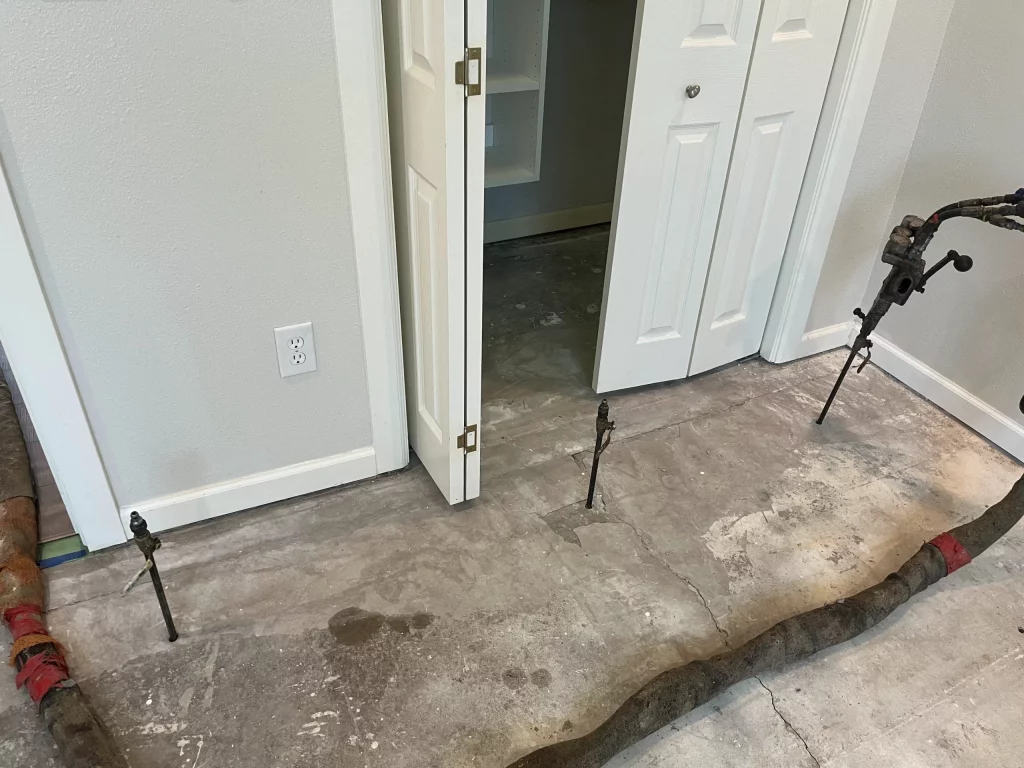
Choosing the right team makes a significant difference in both the quality of the result and the longevity of the repair. Qualities to look for include:
| Property Type | Recommended Approach | Key Considerations |
|---|---|---|
| Residential Driveways | Polyurethane foam injection | Handles vehicle weight, fast cure allows same-day use, water-resistant material stands up to snowmelt |
| Sidewalks and Walkways | Polyurethane foam injection | Small drill holes preserve appearance, precise leveling addresses ADA thresholds, minimal disruption to landscaping |
| Commercial Parking Lots | Polyurethane foam or mudjacking depending on scale | Larger areas may benefit from cement slurry for cost efficiency, but foam offers faster return to service |
| Garage and Warehouse Floors | Polyurethane foam injection | Lightweight material does not add significant load to subgrade, cures rapidly, fills all voids beneath the slab |
| Patios and Pool Decks | Polyurethane foam injection | Smaller holes, less invasive, precise control prevents over-raising adjacent to structures |
Polyseal Insulation provides professional concrete lifting services in Anchorage and Mat-Su Valley area to homeowners and businesses. Our experienced team understands the demands of Alaska’s freeze-thaw climate and uses proven methods to restore level, safe surfaces on driveways, sidewalks, patios, garage floors, and commercial slabs. We assess every project individually to determine whether polyurethane foam injection or another approach is the best fit for your property.
Request a Quote | Schedule an Assessment
Contact us today at (907) 745-7325 or email [email protected] to discuss your project. We will evaluate your concrete, explain exactly what is causing the settlement, and recommend the most effective solution to restore safe, level surfaces that stand up to Alaska’s conditions.
Most residential concrete lifting projects are completed within a few hours, depending on the size and number of slabs involved.
Yes, polyurethane foam injection can be performed during cold months in Anchorage, though extremely low temperatures may require scheduling adjustments for optimal results.
Drill holes are patched with color-matched cement after lifting, leaving a clean finish that blends with the surrounding concrete surface.
Concrete lifting costs less than full replacement, takes a fraction of the time, avoids the mess of demolition, and cures fast enough for same-day use in most cases.
In Anchorage, the primary cause is frost heave from freeze-thaw cycles, where water beneath the slab freezes, expands, then thaws and leaves voids that cause the concrete to settle.