

Polyseal Insulation provides spray foam insulation services in Farm Loop, AK for homeowners, builders, and commercial property owners who want warmer buildings and lower heating demand through long Alaska winters. Spray foam seals air leaks and adds insulation in one application, so it suits new homes, older houses, shops, and agricultural buildings. Polyseal has served customers since 2003, and the team works with both open-cell and closed-cell foam depending on the building and its heating needs. Quotes are free. Call (907) 341-4848 to discuss your spray foam project in Farm Loop, AK.

Farm Loop has a subarctic climate. Long-term records from the nearest weather station show January highs near 19°F and lows around 7°F, so heating systems run hard for much of the year. In a rural-residential community with homes, shops, barns, and pole buildings, uninsulated walls, rim joists, and crawl spaces let that cold in.
The 2020 Census counted 2,747 residents in Farm Loop, up from 1,028 in 2010, so new construction now sits beside older buildings that may have less insulation. Foam can go in before drywall on a new build, while older structures usually need a retrofit. Insulating floors, crawl spaces, and foundation walls also keeps frozen ground from drawing heat out of the building.
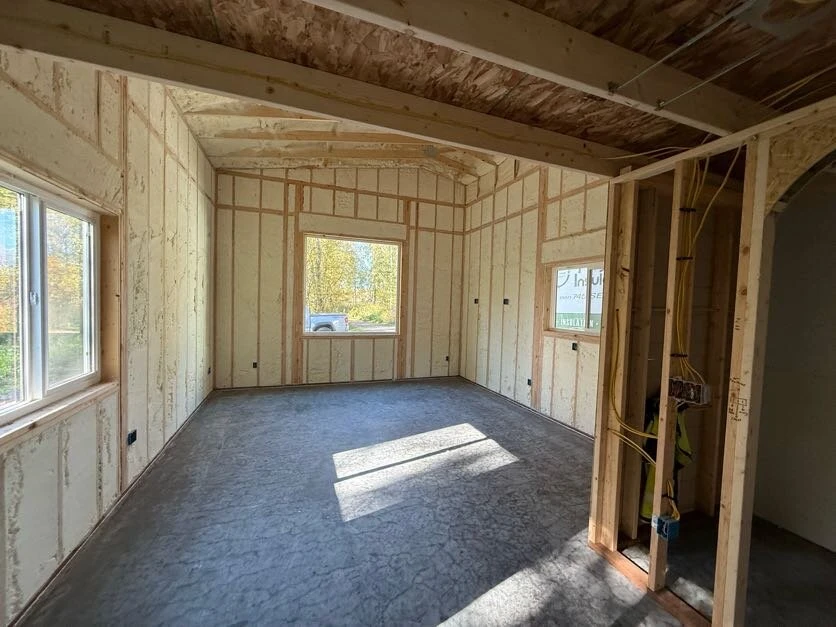
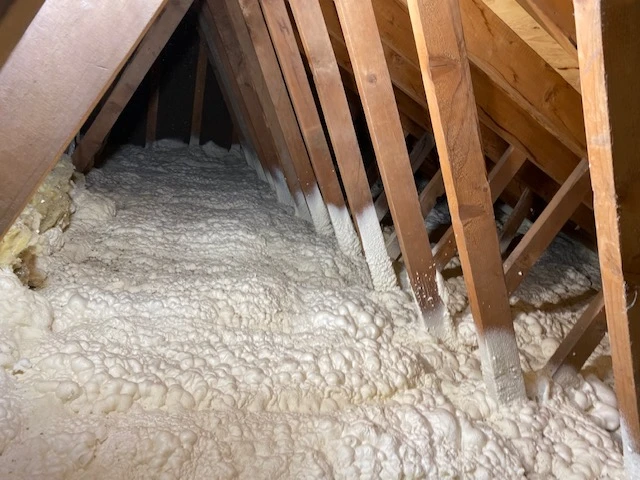
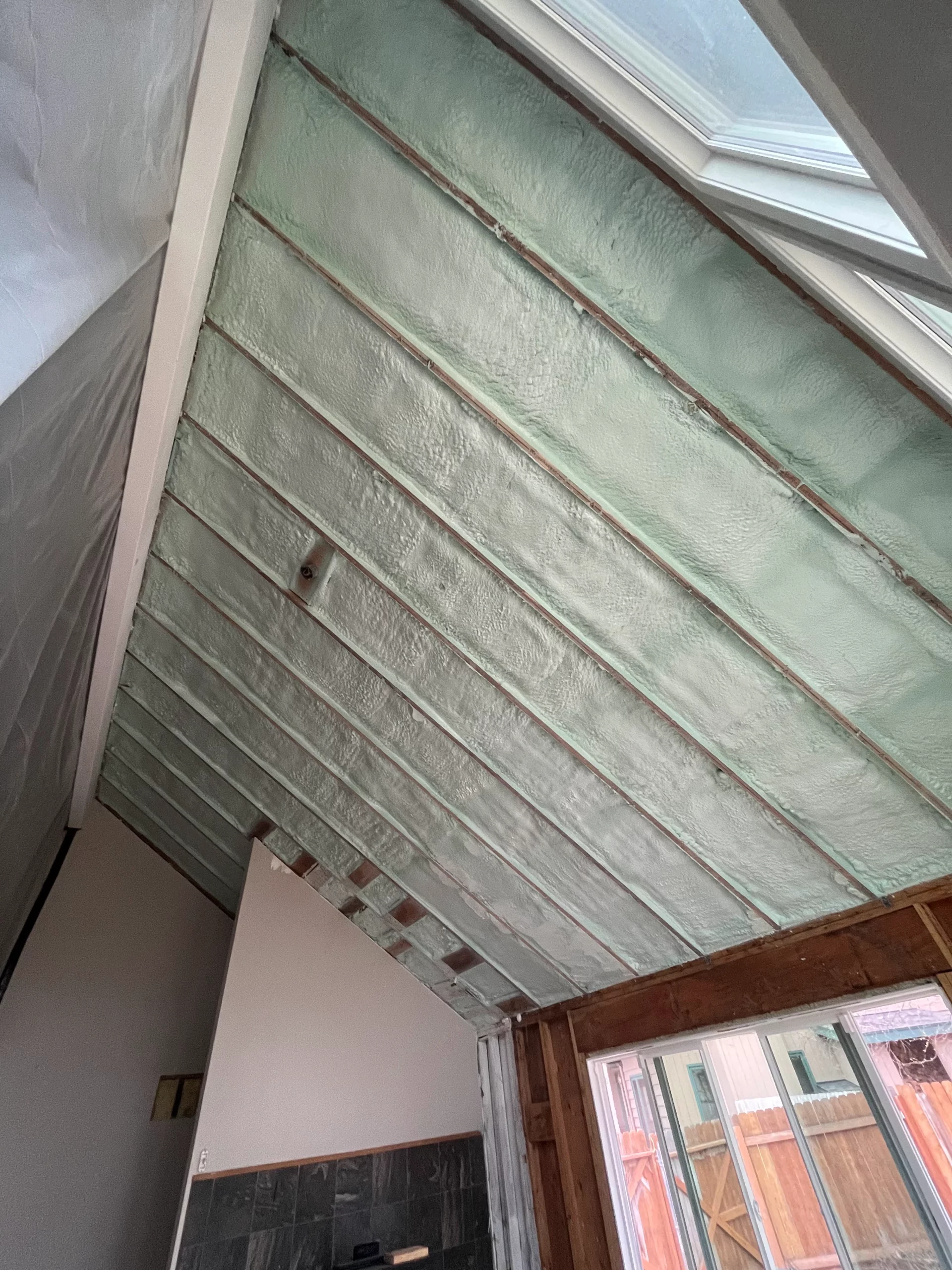
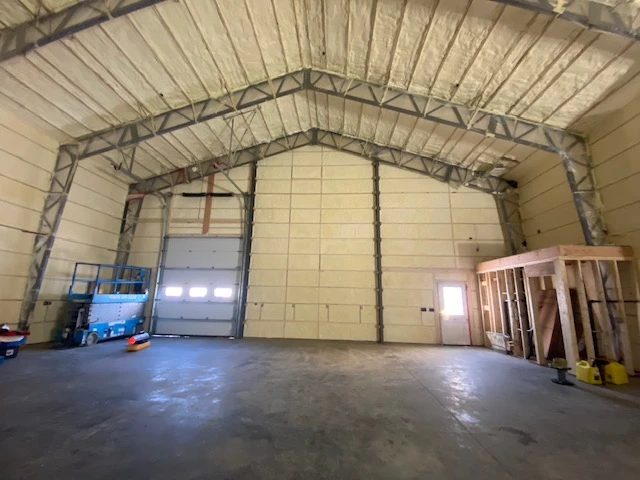
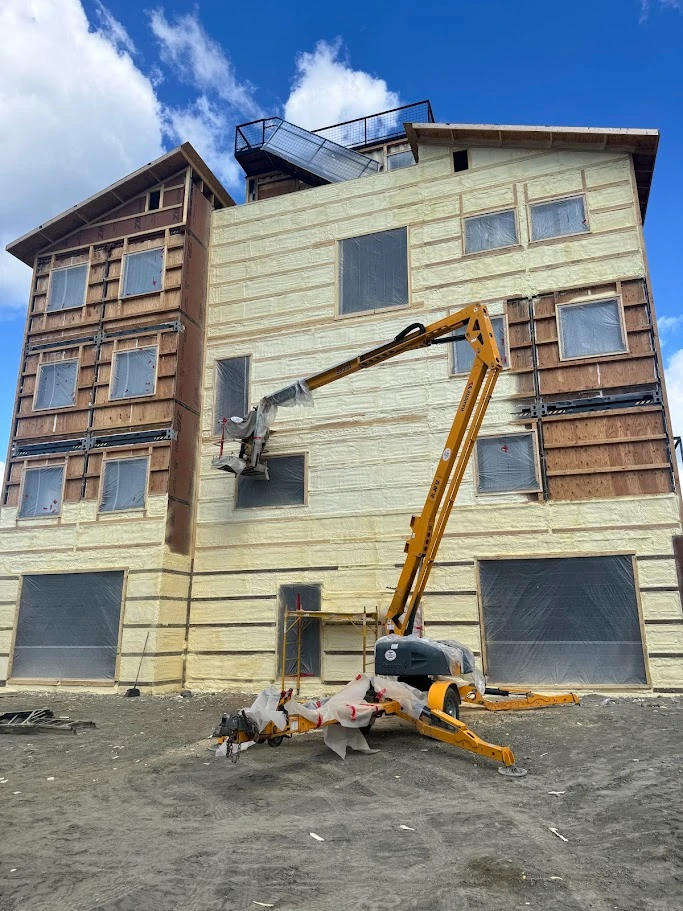
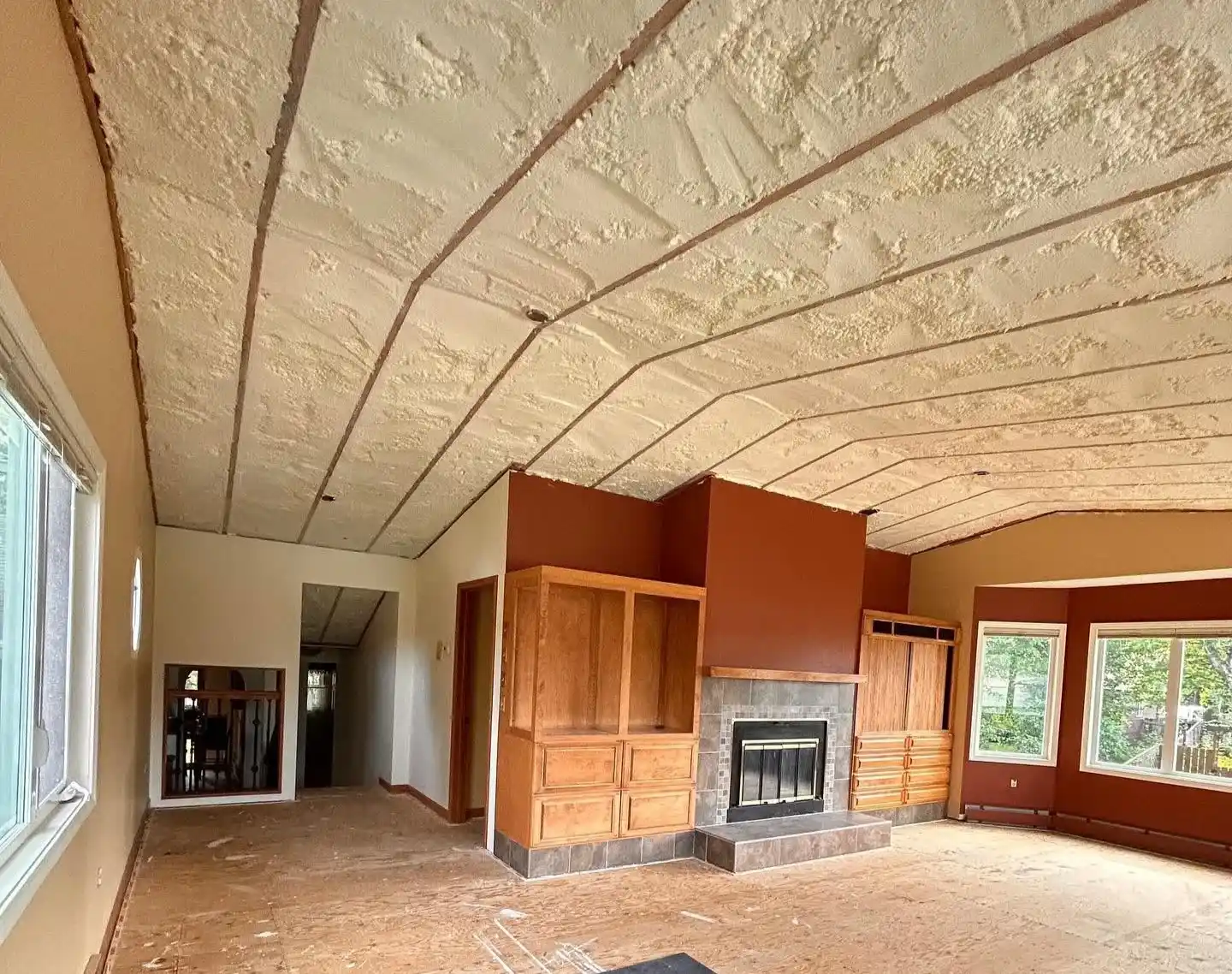
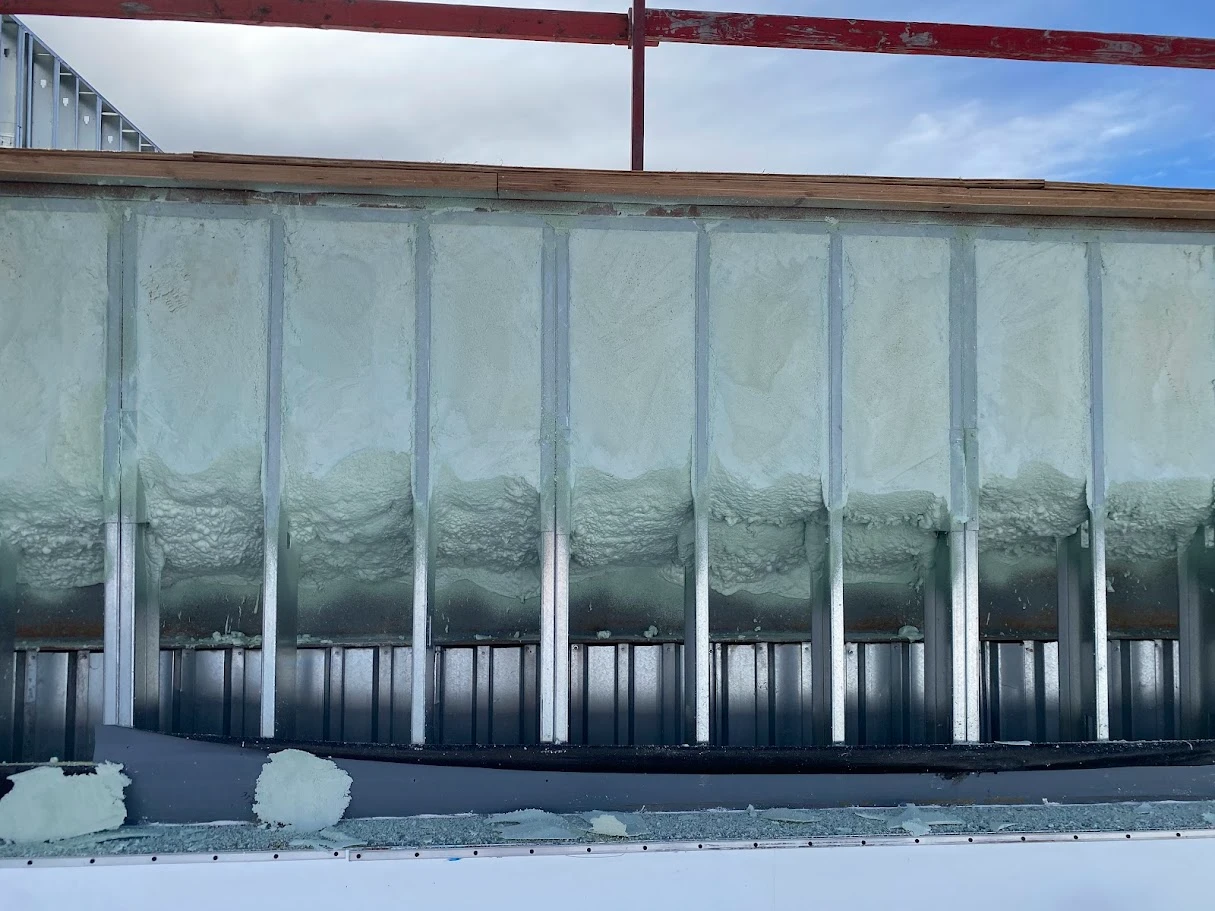
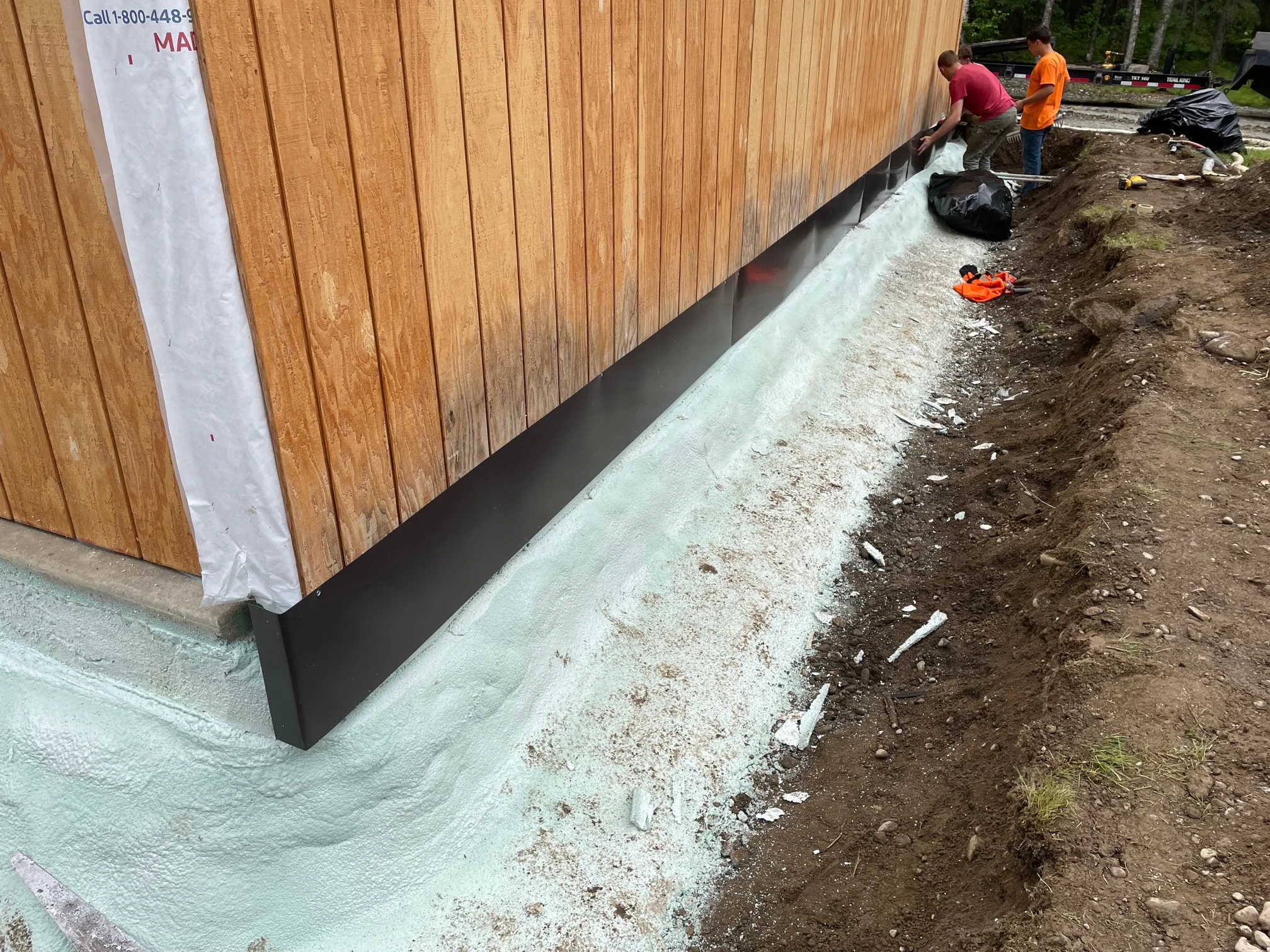
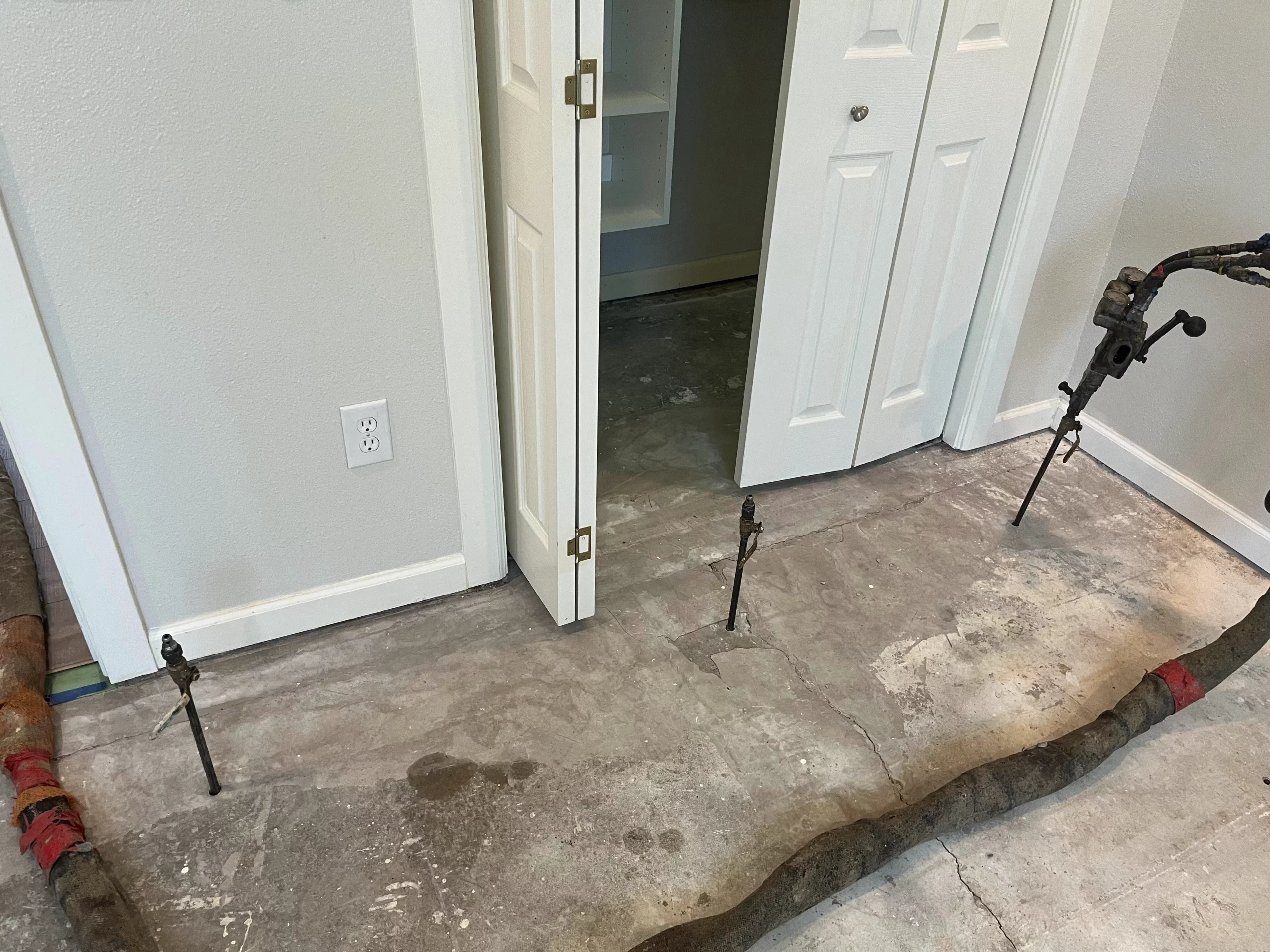
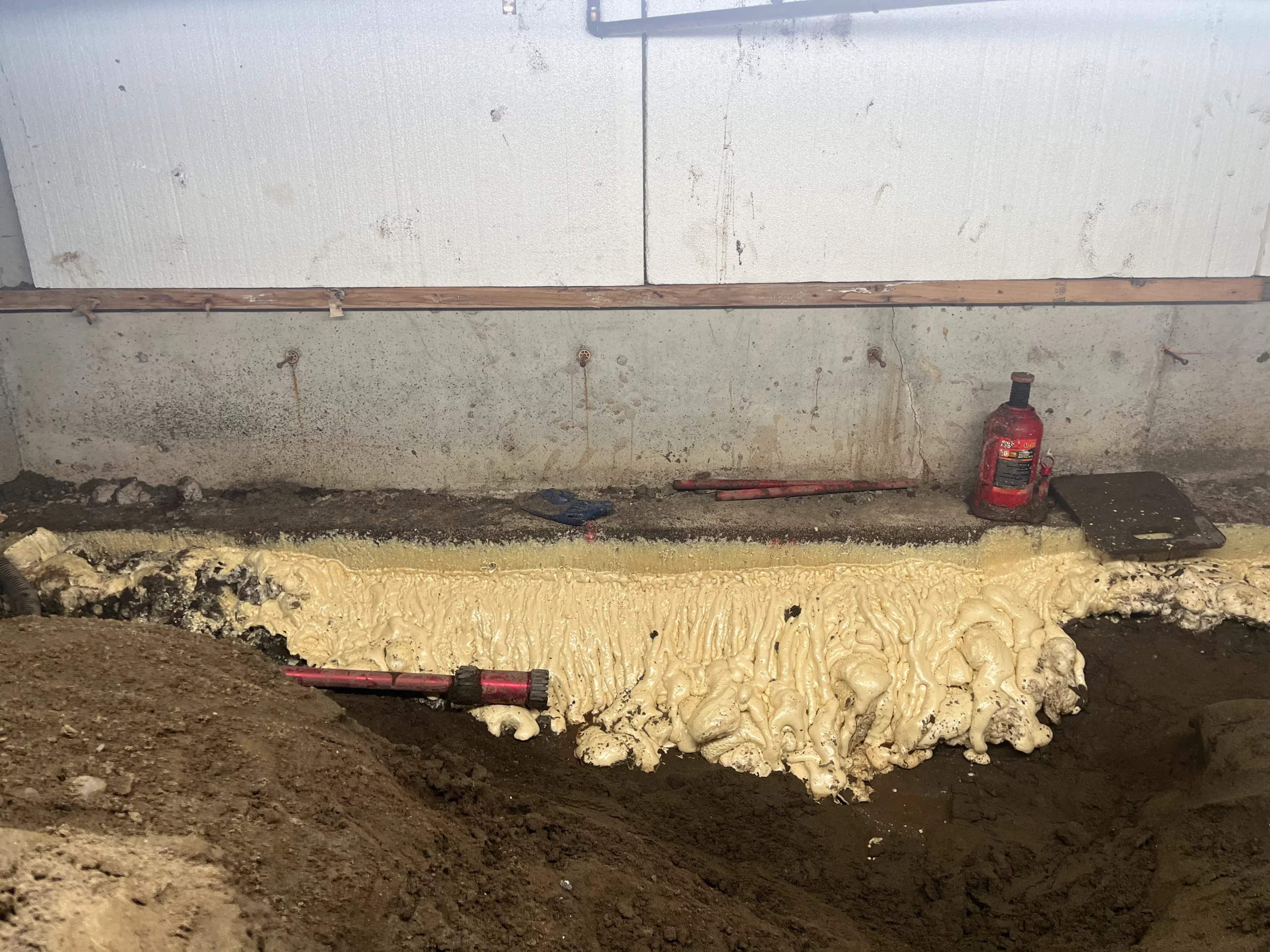
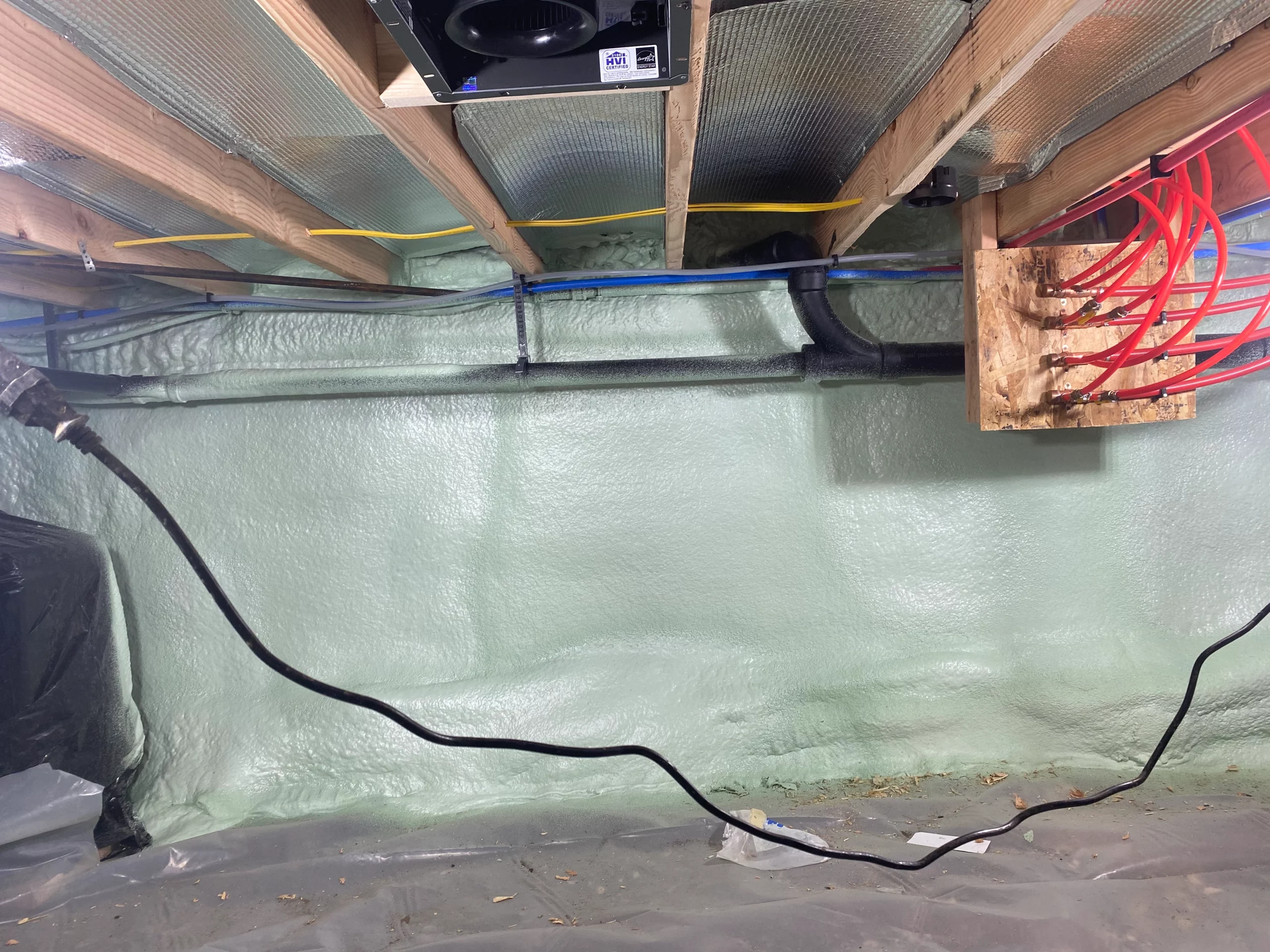
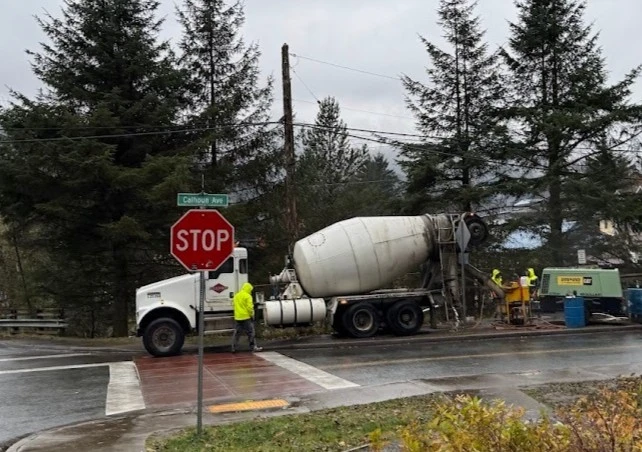
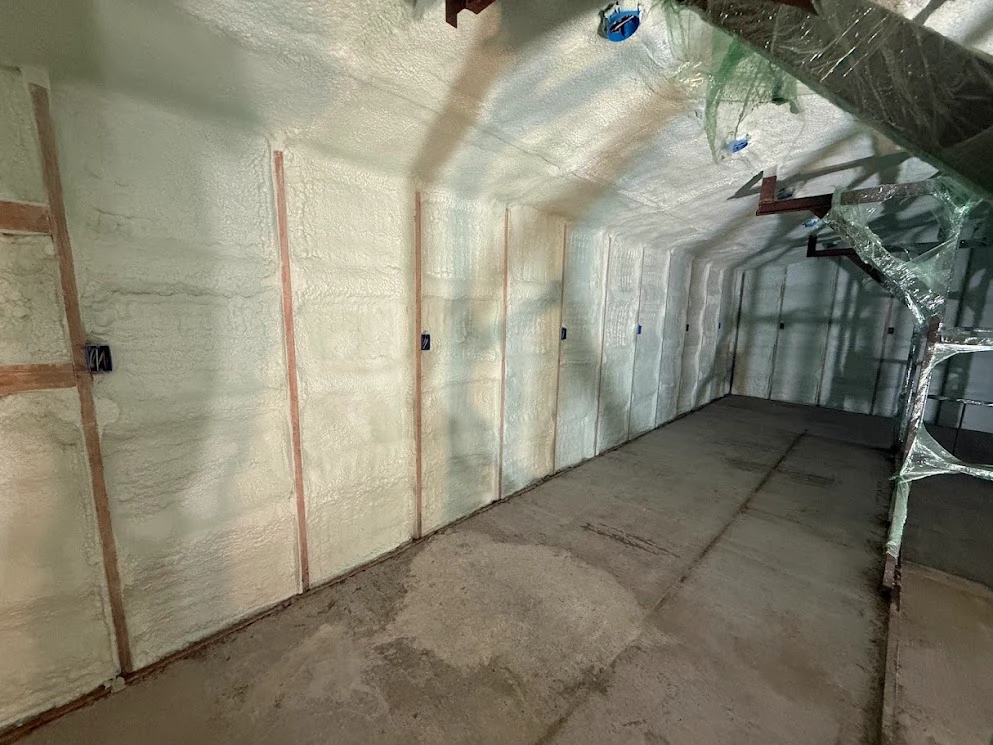
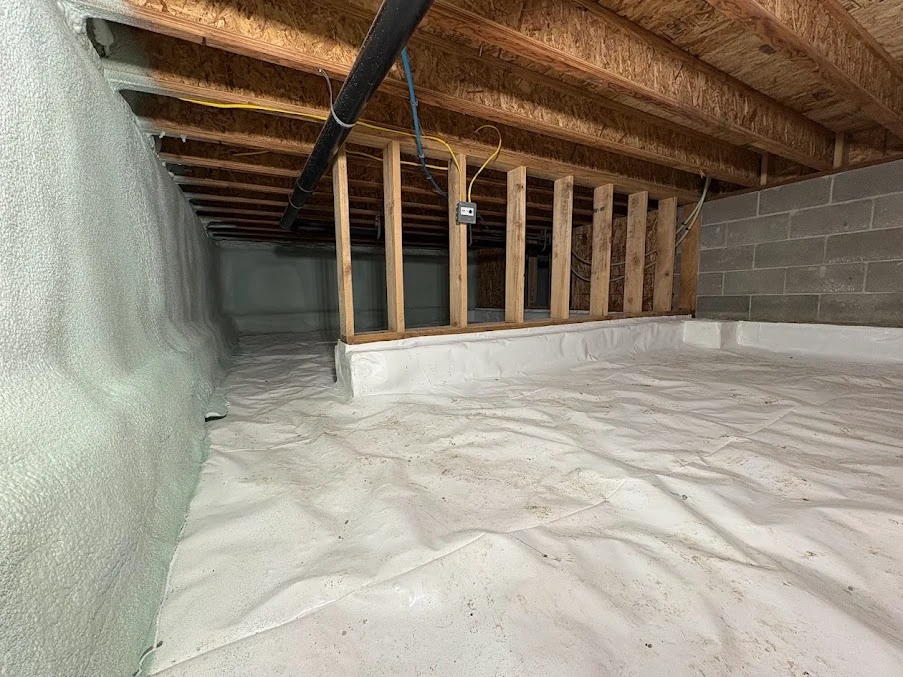
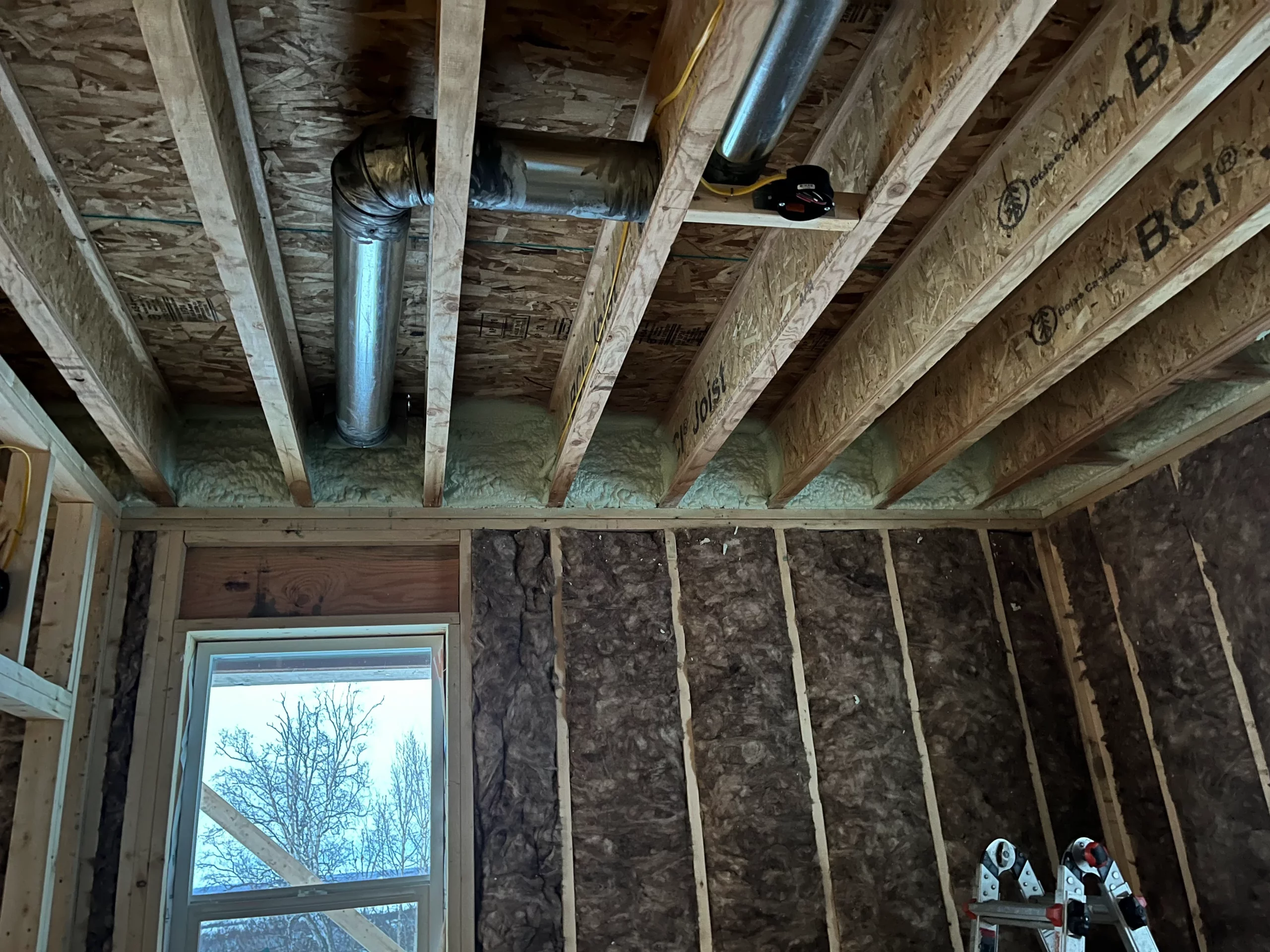
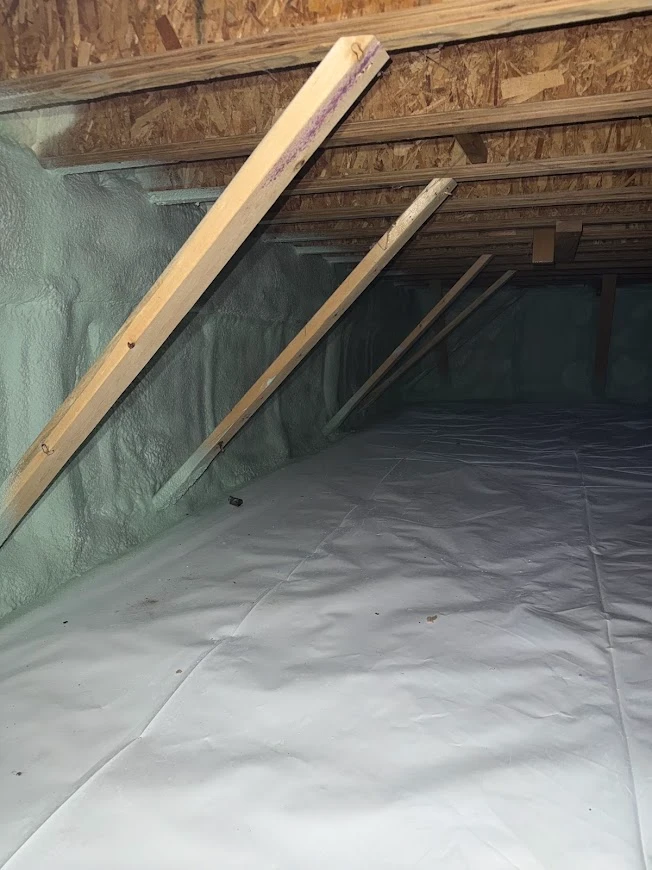
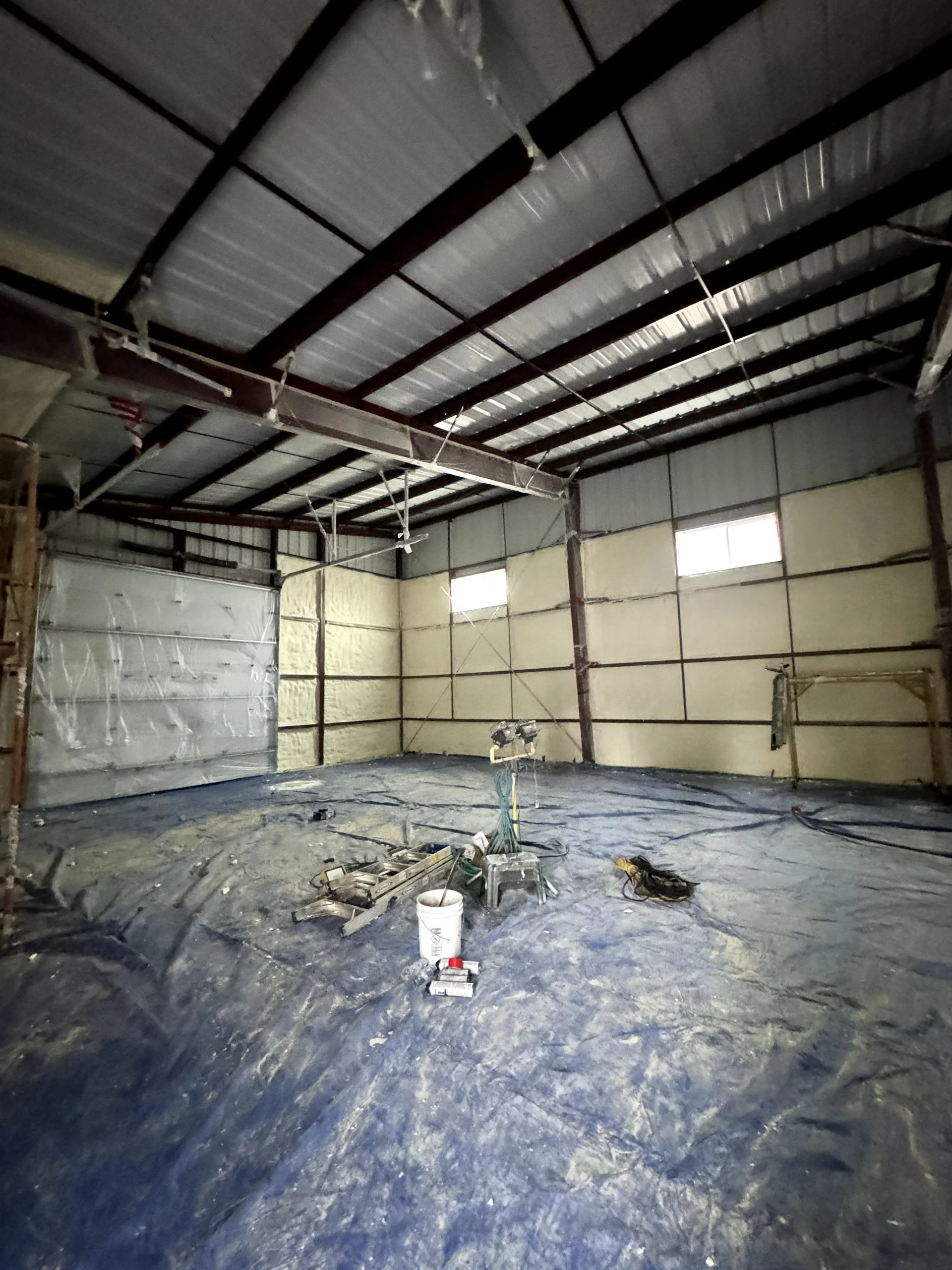
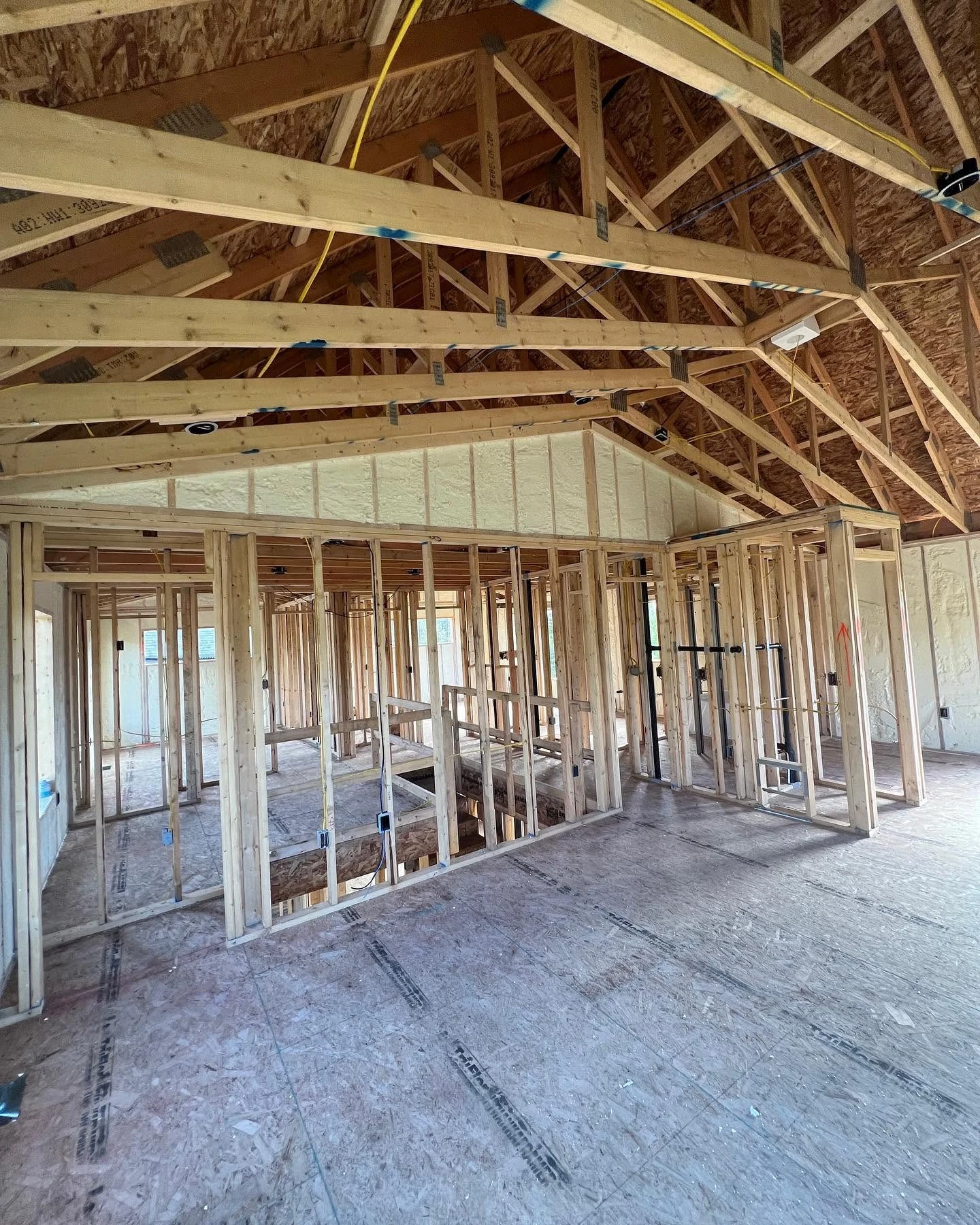
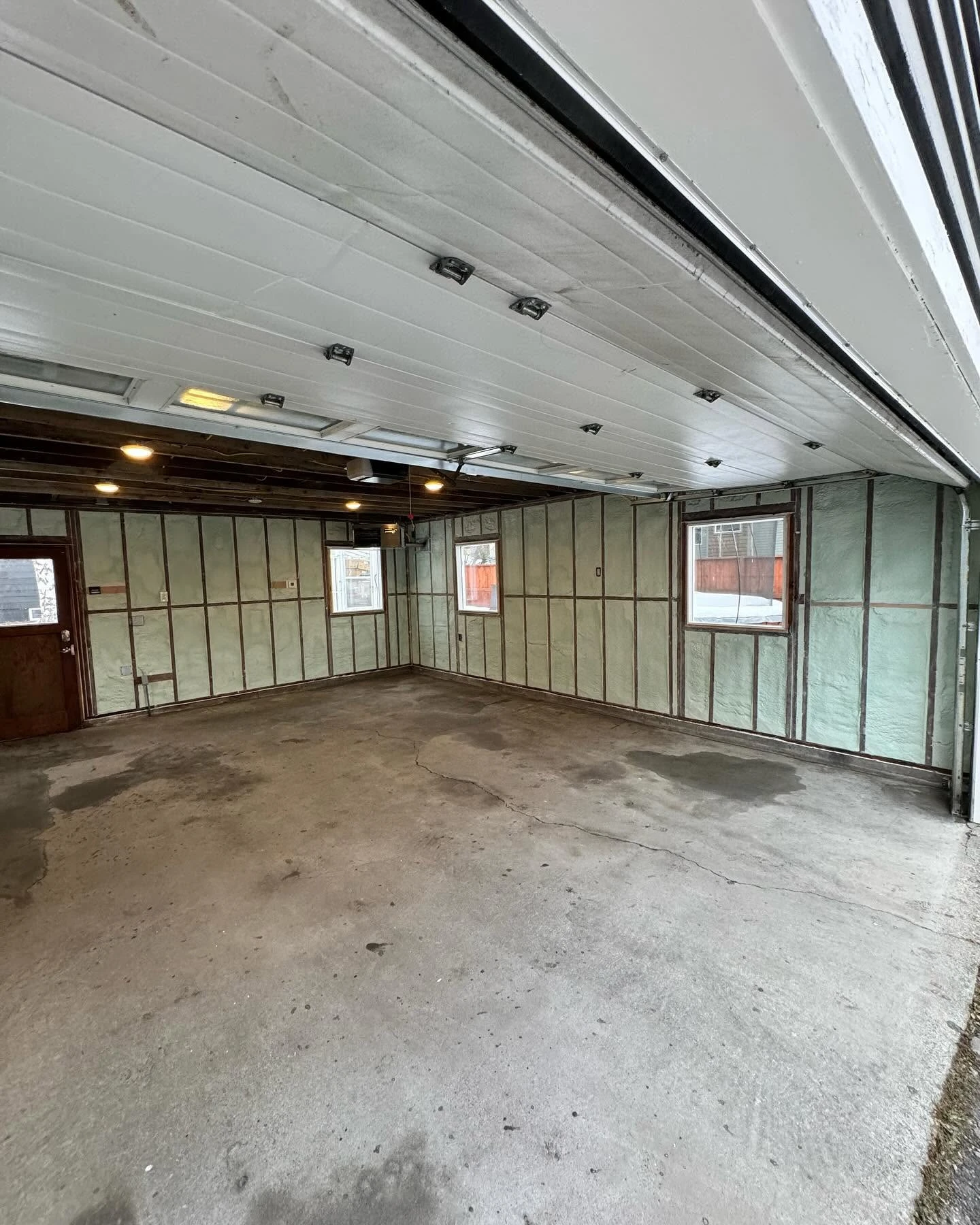
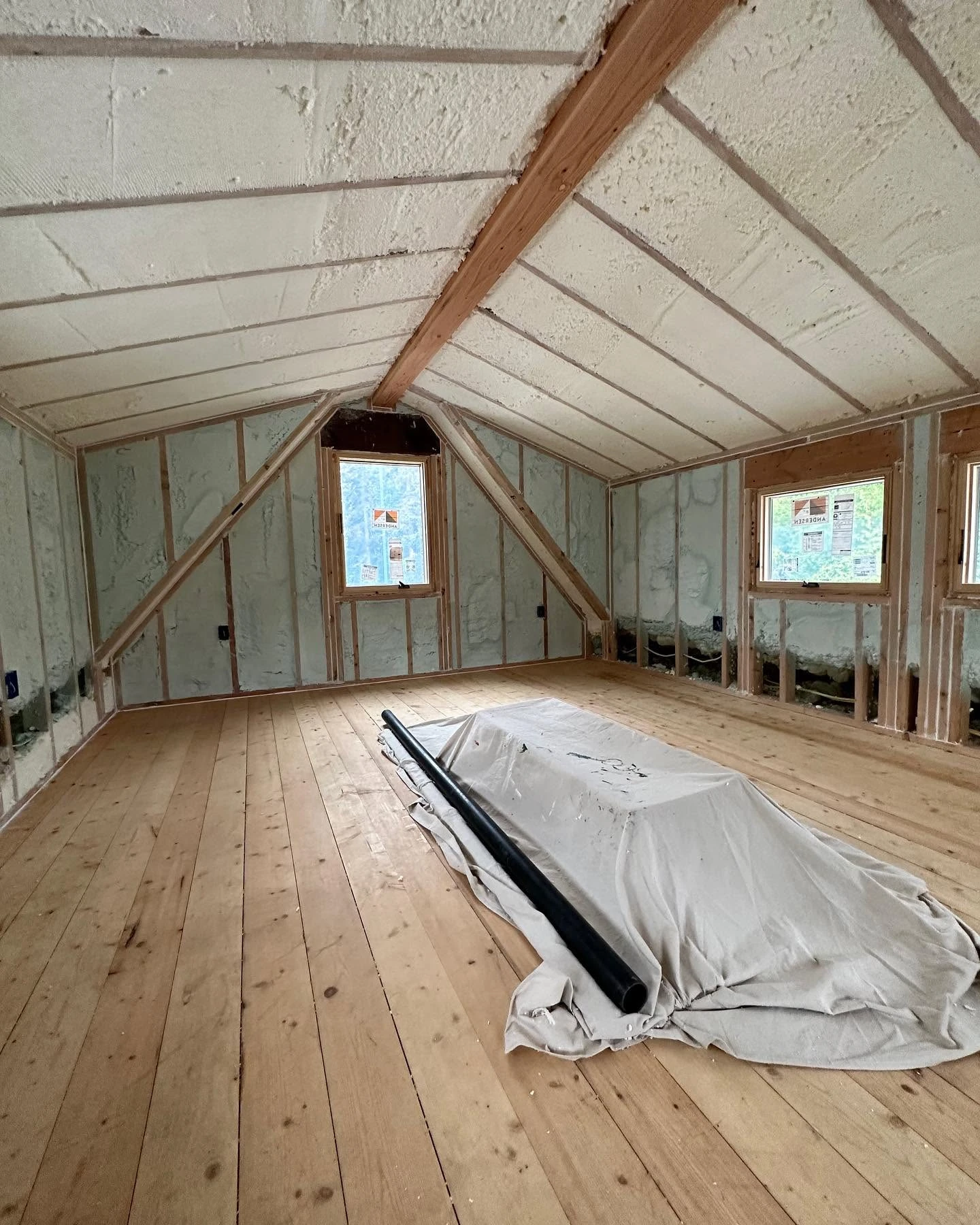


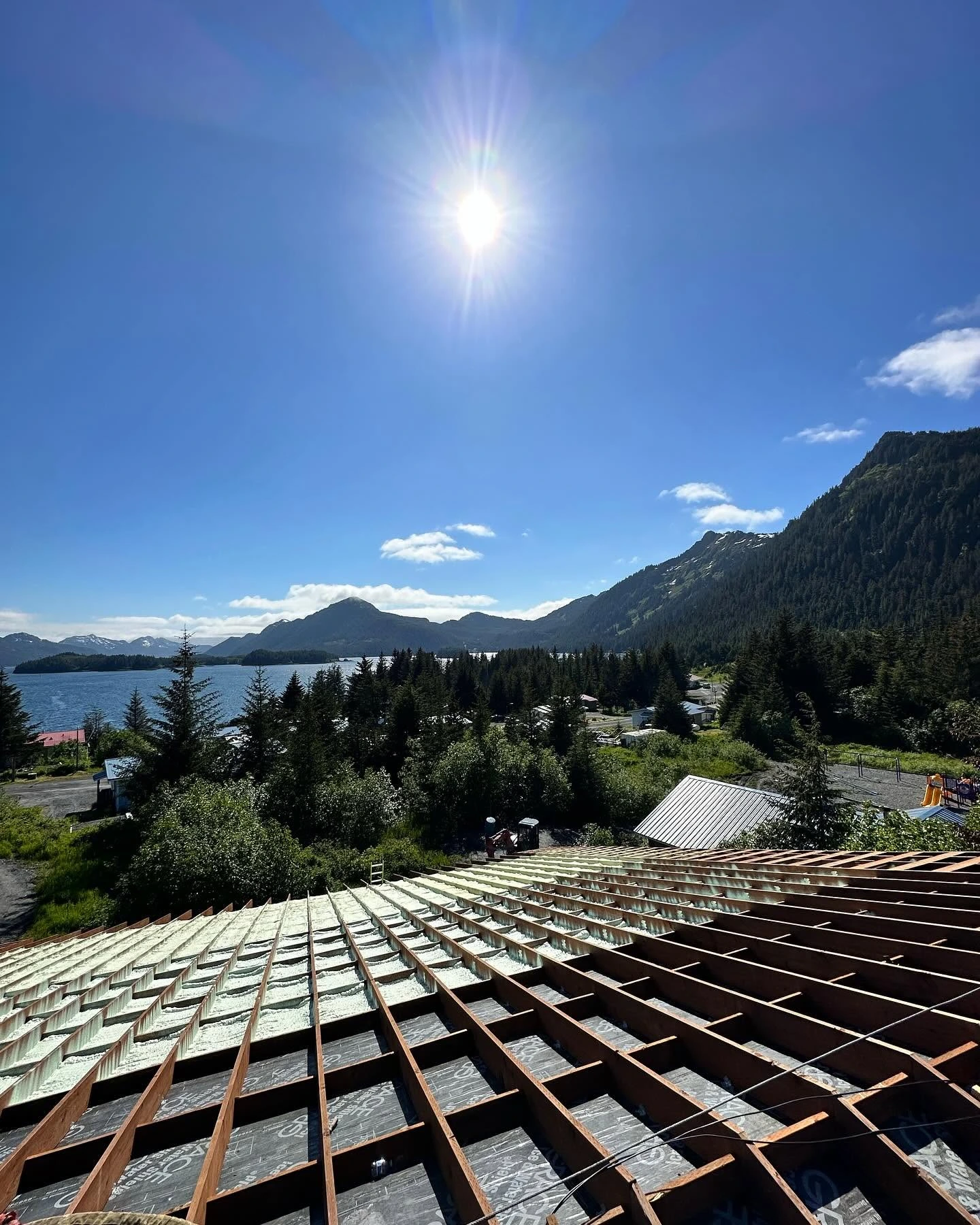
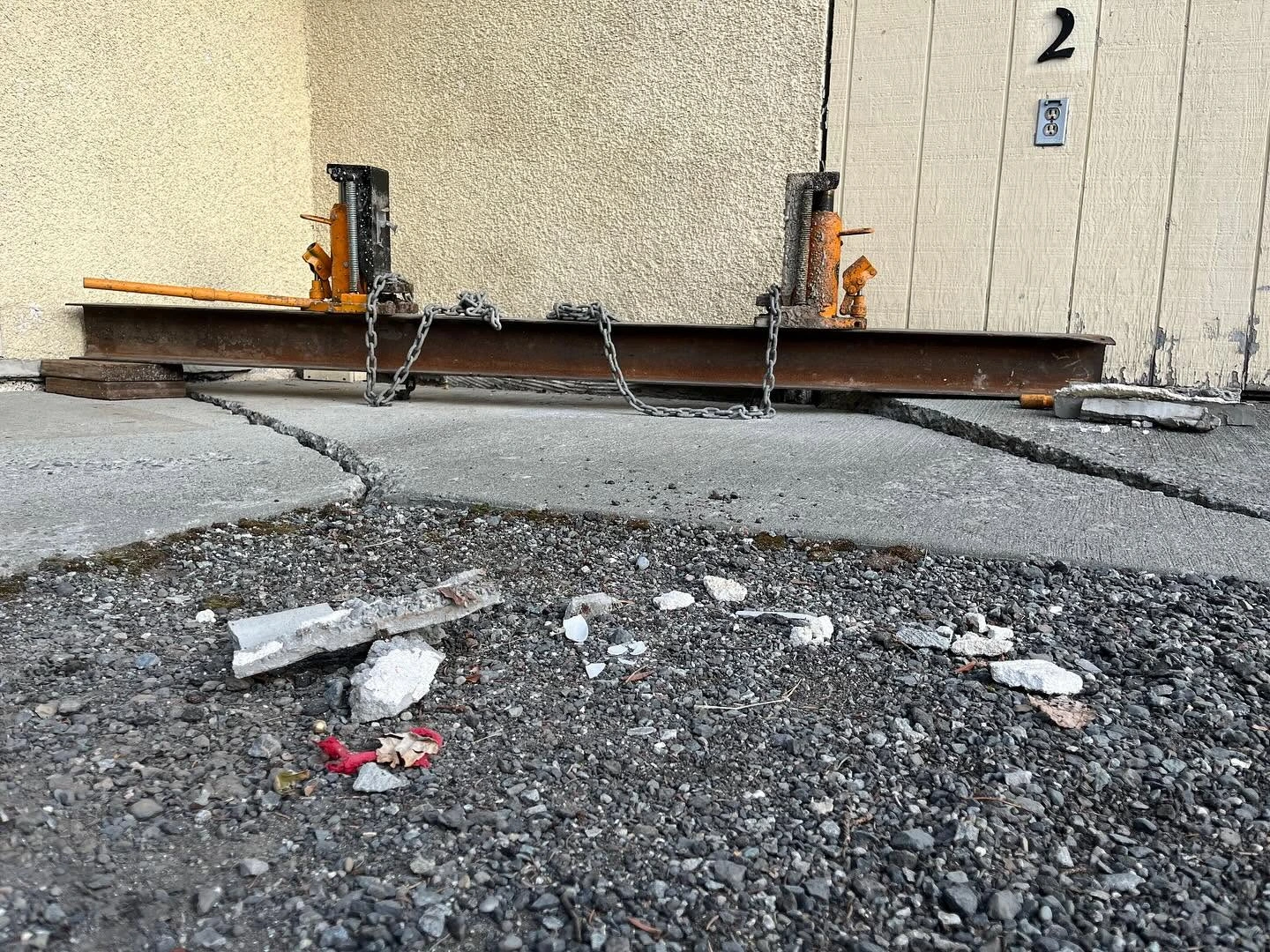
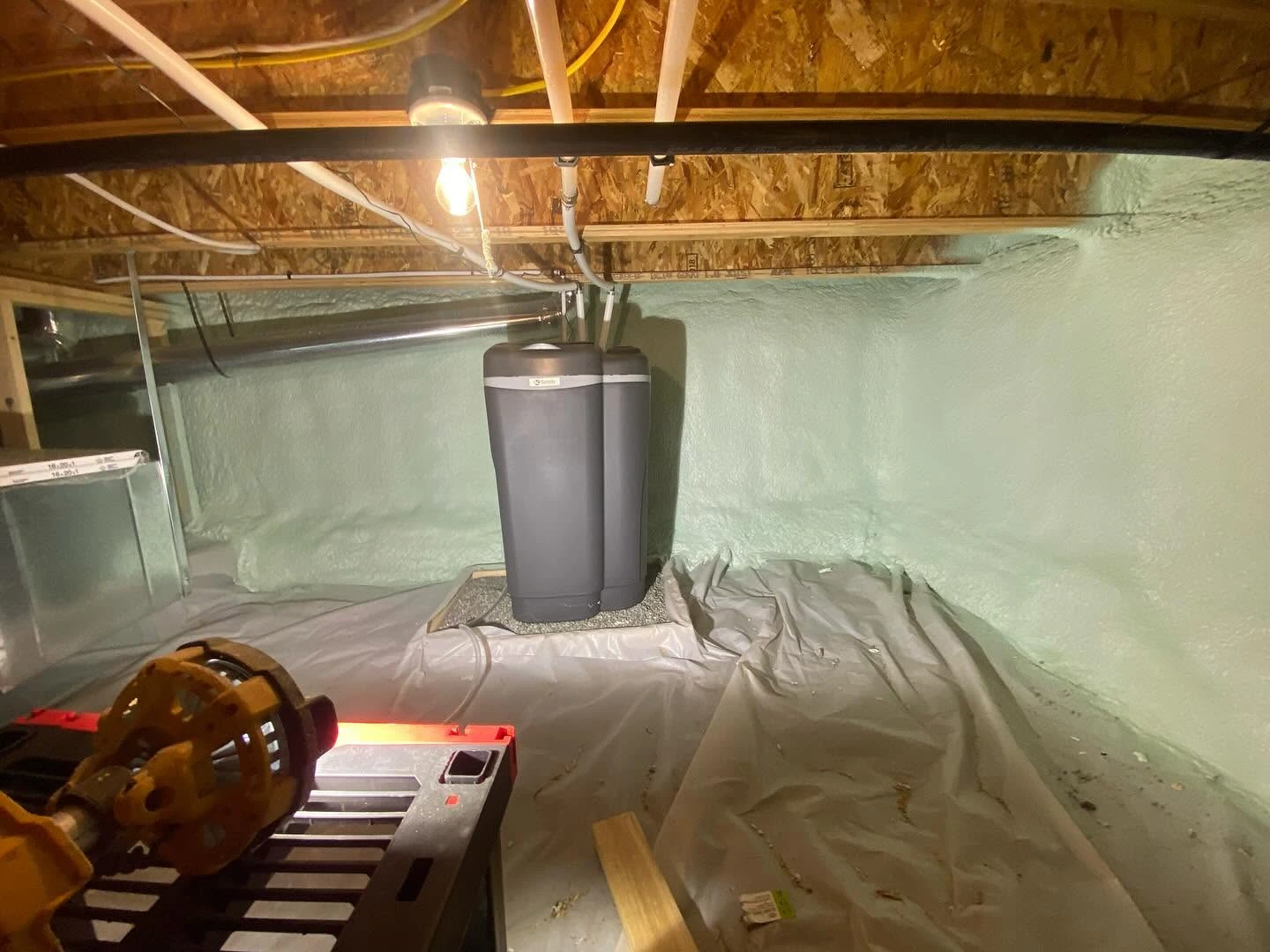
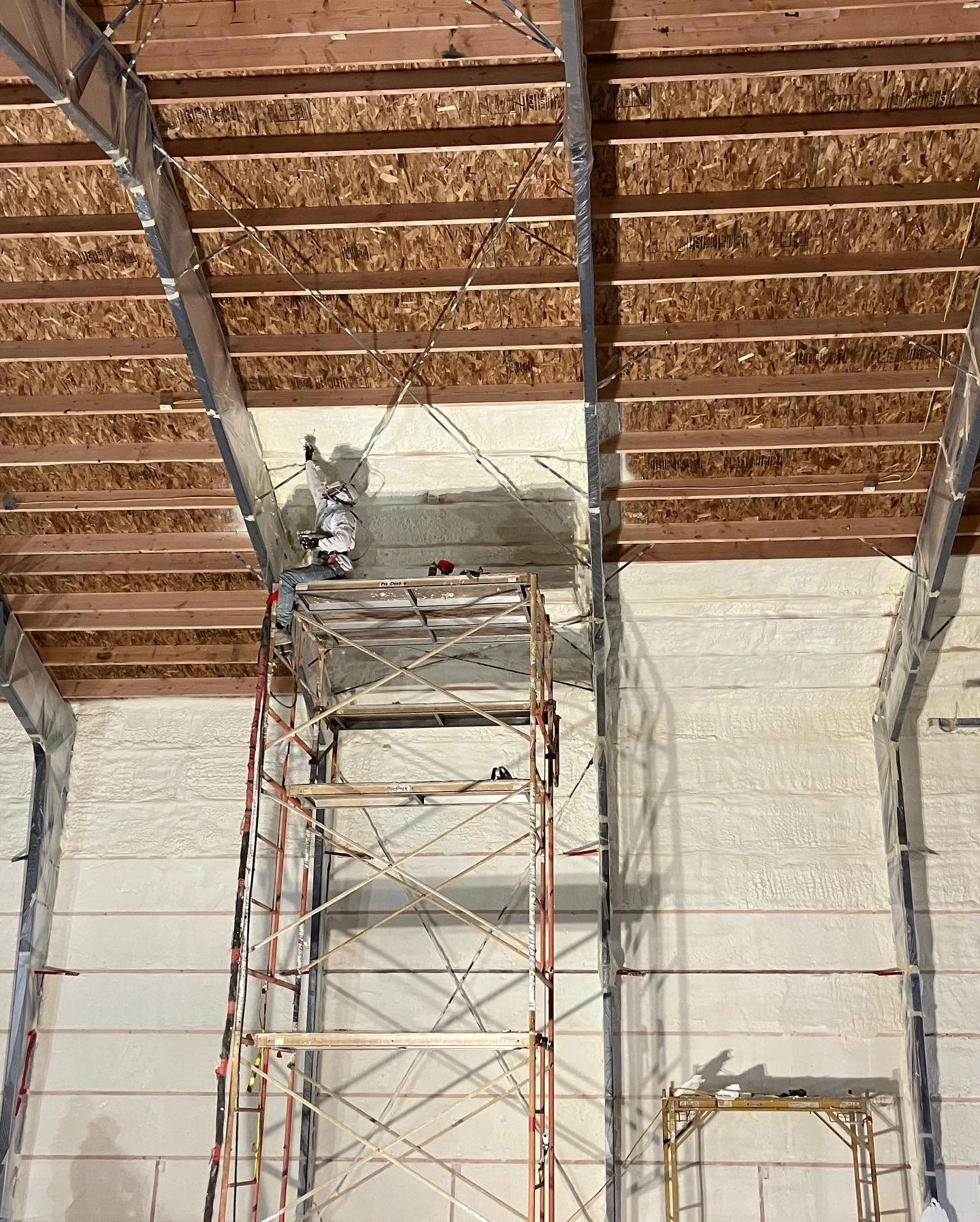
Tell us about your building and we will review the best way to insulate it. The team also takes projects in nearby areas such as Hatcher Pass, The Musk Ox Farm, Reindeer Farm, Tanaina, Wasilla, Sutton-Alpine, and Meadow Lake.
Polyseal Insulation has worked in insulation, foundation, and concrete services since 2003, which lets one company look at a building as a whole instead of a single problem. Polyseal is a spray foam insulation contractor Farm Loop, AK property owners can call for homes, shops, barns, and commercial buildings. The team explains the options and recommends a scope based on how your building is used.
If you are comparing spray foam companies Farm Loop, AK has to offer, ask Polyseal Insulation for a free quote on your building. Call (907) 341-4848 or email [email protected], and the team will review your property and recommend the right foam and thickness for it.
Closed-cell gives more R-value per inch and resists moisture, so it is often used in crawl spaces, rim joists, and barns. Open-cell suits interior walls where there is room for more depth.
Often yes, in crawl spaces, rim joists, and exposed framing. Walls closed in by drywall usually need to be opened first.
Manufacturers set minimum air and surface temperatures for the foam, so cold-season jobs may need a heated space. The team will tell you what applies to your schedule.
It can reduce it, because foam applied directly to the metal keeps warm, moist air from reaching a cold surface. Proper thickness and full coverage still matter.
Codes set by organizations like the International Code Council often require a thermal or ignition barrier over exposed foam, depending on where it is installed and how the space is used. Polyseal can confirm what applies to your building.
Re-entry time depends on the foam product and ventilation. Ask for the specific time before work starts and keep children and pets out until then.
Ask about foam type, thickness and R-value, the area covered, the thermal barrier plan, and re-entry time.
Foam type, thickness, square footage, access, and prep work all change the price, so compare quotes like for like.